
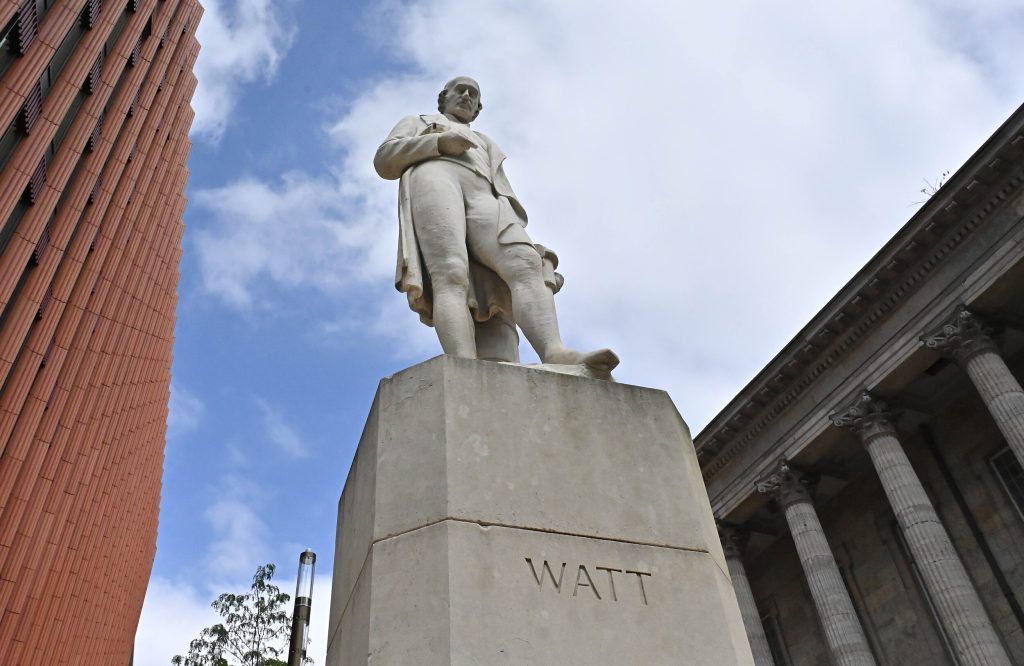
The next time you find yourself at the new Paradise development, you may spot the Portland stone statue, standing at 5.5 metres tall, and wonder: Who is that? Let me tell you—this man might not just be one of the most important people Birmingham’s ever seen, but also the world.
Meet James Watt. The inventor, engineer and chemist might hail from Scotland originally, but he made Birmingham what it is today. Inventing the Watt steam engine, he, along with his business partner Matthew Boulton, fuelled the Industrial Revolution that reshaped the modern world from the Second City.
Put the kettle on
There’s a story that Watt invented the steam engine upon seeing a kettle boil, its steam lifting the lid. But Watt didn’t invent the steam engine. Instead, he only improved on previous designs, but he did carry out many laboratory experiments using a kettle to generate steam and better understand thermodynamics.
In 1775, the Watt steam engine was patented, and Boulton & Watt set up at the Soho Manufactory (near Boulton’s Soho House), before later moving to their Soho Foundry in Smethwick. According to the Encyclopædia Britannica, it was “the first truly efficient steam engine,” used in mines, factories, mills, ironworks, and more.
Watt else?
Without the Watt steam engine, Birmingham wouldn’t have become the beating heart of the Industrial Revolution—there’s a reason it used to be called the ‘Workshop of the World’. But having developed a new measurement of power in the process—horsepower—James Watt also gave his name to the unit of power, the watt.
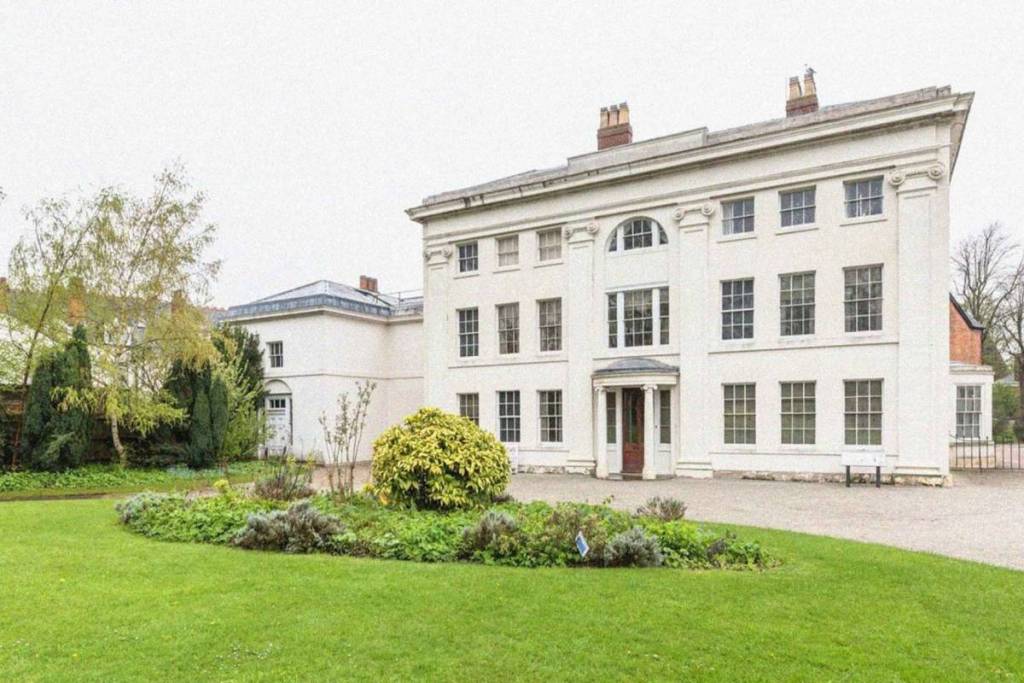
Having transformed Birmingham and beyond, James Watt’s legacy can be felt all over the city. But if you want to learn more about this great man, Thinktank houses the world’s oldest working Watt steam engine (the Smethwick Engine), while Soho House was a frequent meeting place for the mysterious Lunar Society (of which Watt was a member).
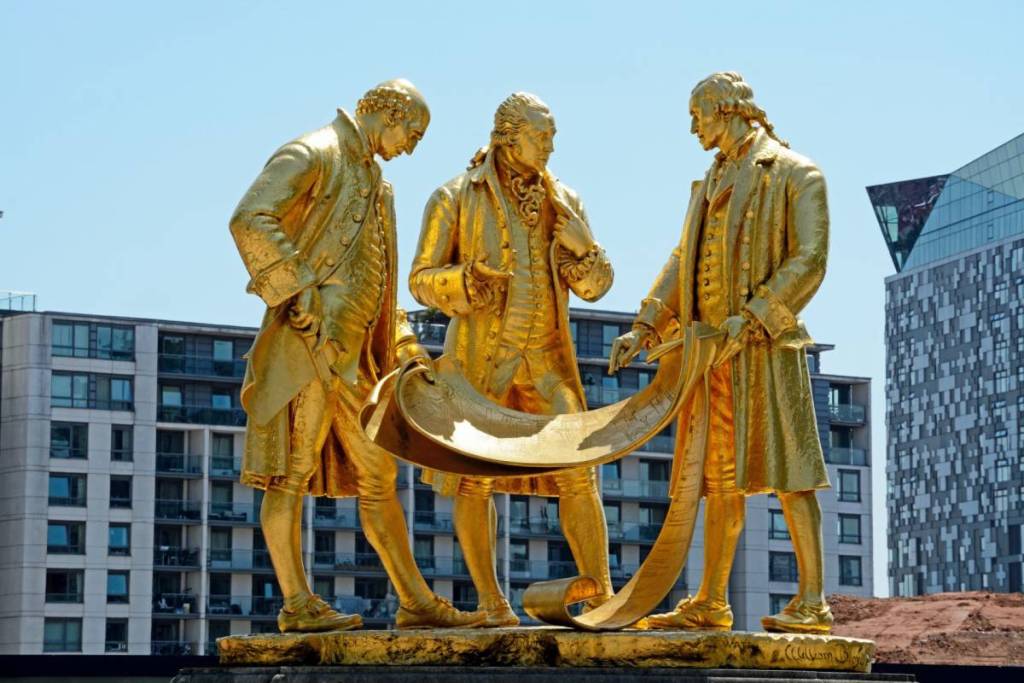
He is also one of the three golden men in Centenary Square!