

Thinktank, Birmingham’s science museum, officially opened to the public at Millennium Point on September 29, 2001. Succeeding the former Birmingham Museum of Science and Industry on Newhall Street, which closed in 1997, it became Brummies go-to for science, technology and discovery.
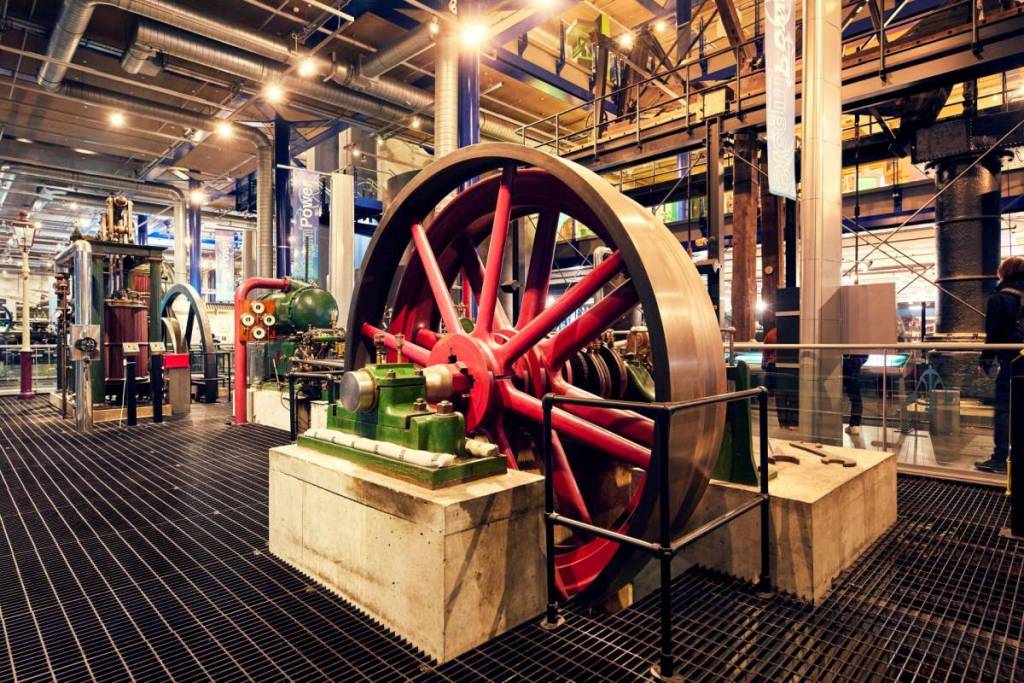
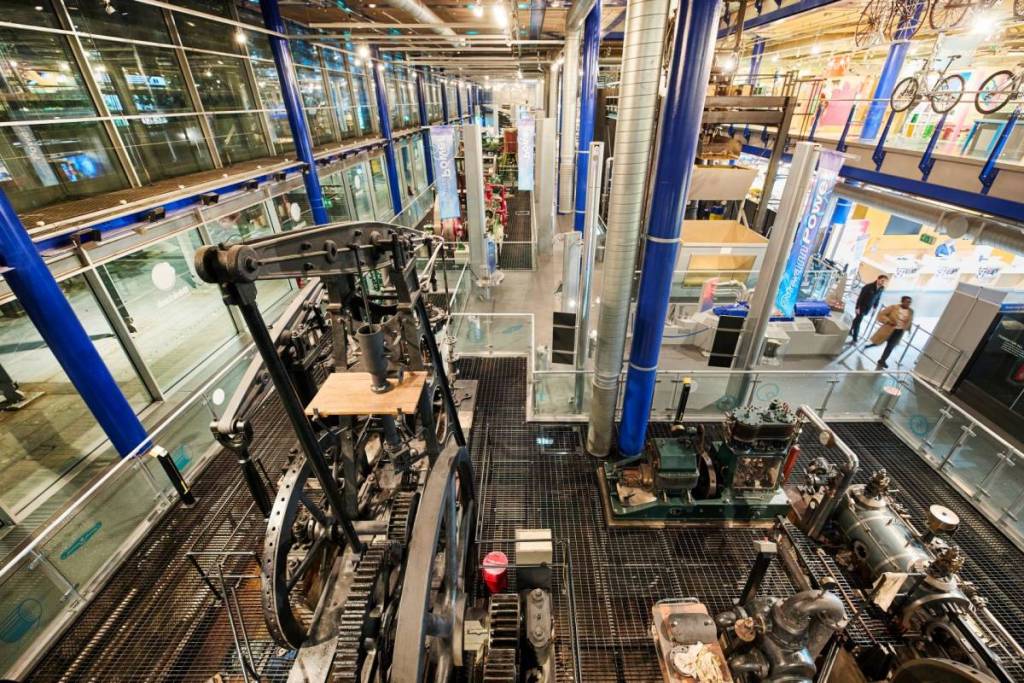
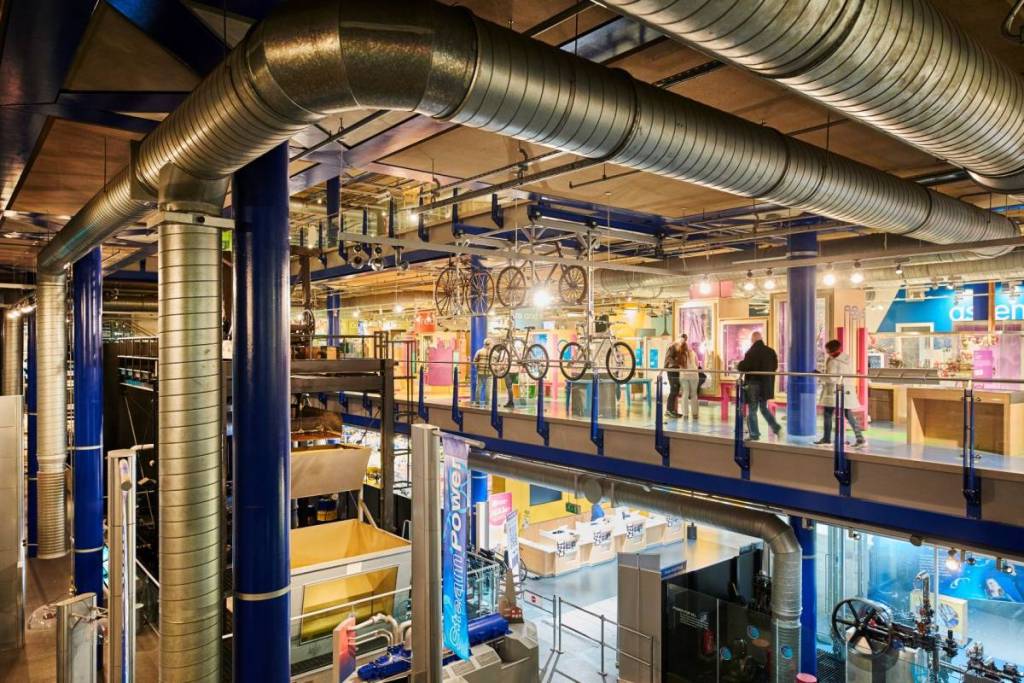
Inside, Thinktank offers an exciting day out for the whole family, with four floors of more than 200 hands-on high-tech displays alongside historical collections and natural science specimens. The excitement ranges from Birmingham’s very own Spitfire to giant prehistoric sea monsters and a child-sized MiniBrum.
Happy birthday, Thinktank!
After a quarter of a century of inspiring visitors, Thinktank is celebrating its 25th anniversary. This weekend (September 26 and 27). Discover a range of celebrations, including a science magician, junk modelling with Tat Vision, £5 entry tickets and 25% off in the gift shop and café.
You are also encouraged to share your own memories of Thinktank on a special timeline from 2001 to the present day, while those who dress up for the occasion will receive a birthday goody bag from Thinktank. Other activities include a birthday party hat trail, party hat-making, and birthday cake-building with LEGO DUPLO.
And make sure to pop by the Science Garden on Saturday. Birmingham Astronomical Society will be about for some solar observing, offering visitors the chance to discover more about the Sun, which, if you didn’t know, takes around 25 Earth days to rotate at its equator.
“Thinktank has been inspiring curiosity and a love of science for 25 years,” said Zak Mensah, co-chief executive of Birmingham Museums Trust. “Its collections and galleries tell the story of Birmingham’s extraordinary contribution to science, technology and industry, while connecting these stories to the challenges and discoveries shaping our world today.
“The city has been responsible for many discoveries and inventions which have impacted the world, such as the pioneering use of X-rays by local physician John Hall-Edwards, which established modern medical radiography.
“Having studied computing in the West Midlands as a young person 25 years ago, I feel particularly proud of this milestone and hope we might have budding scientists or future museum directors among those visiting over the anniversary weekend. We’re looking forward to welcoming visitors to celebrate with us and to looking ahead to the next 25 years.”