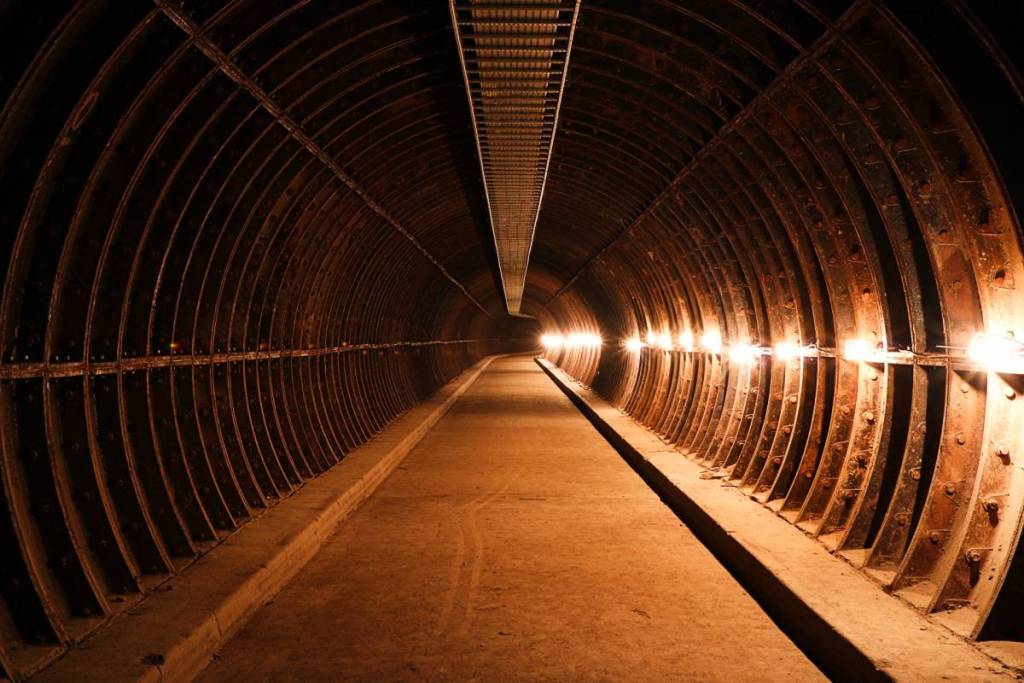

Did you know that beneath the bustling surface of modern Birmingham lies a quiet, hidden world woven with Cold War secrets, postal history, and local lore? While today’s Birmingham is a fast-paced urban centre, a forgotten underground network remains tucked away directly beneath the city’s streets.
Because the city’s soft sandstone geology prevented the construction of an expansive underground railway like London’s Tube, engineers instead built a select group of specialised passageways over the decades—creating a secretive underground infrastructure designed for covert logistics, secure transport, and emergency communications.
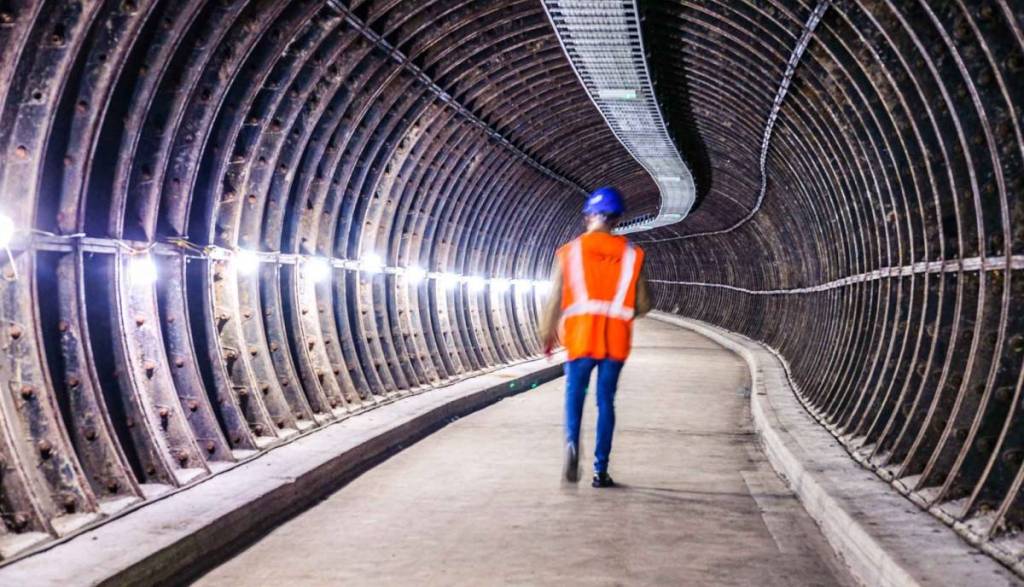
The secret tunnels of Birmingham: from postal corridors to local myths beneath the Mailbox
One of the city’s most famous underground routes is a 400-metre tunnel running beneath the Mailbox—now a prime spot for shopping, dining, and offices. Constructed in the 1970s when the site housed Royal Mail’s primary sorting office, this passage once shuttled cages of mail directly to Platform 12 at New Street Station. It fell silent in 1998 when sorting operations relocated to Aston, leaving the passageway completely disused.
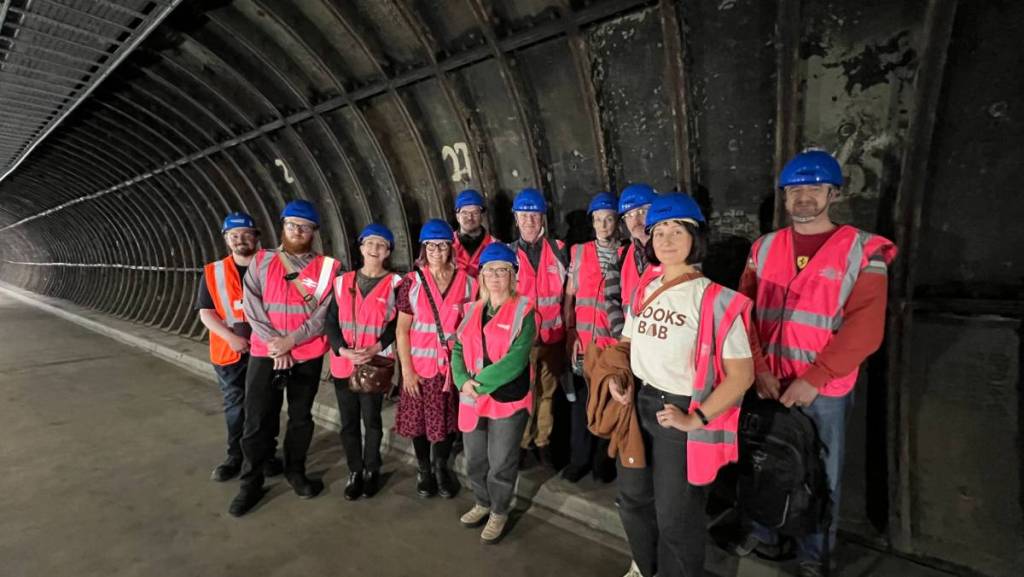
Unsurprisingly, the abandoned tunnel has sparked plenty of local folklore over the years. Popular urban legends tell of savvy jewellers mailing diamonds to themselves every Friday to dodge weekend storage fees, while others claim the tunnel’s station entrance is haunted because it sits atop an old cemetery. Though strictly closed to the public today, a lucky few have glimpsed inside during rare events like Birmingham Heritage Week or charity tours with LoveBrum.
Cold War fortresses and secret courtroom passages
In addition to postal pathways, Birmingham’s secret tunnels served crucial defense and legal functions. Deep beneath the surface, the BT Tunnel Network connecting the Jewellery Quarter and Southside contains a Cold War nuclear bunker built to safeguard national communications during an attack. Elsewhere, a secure underground passage links the historic Steelhouse Lane lock-up—now the West Midlands Police Museum—directly to the Victoria Law Courts, allowing guards to move defendants to trial completely shielded from public view.
More recently, another passageway caught the public’s imagination when it was uncovered outside The Old Crown, the city’s oldest pub. Whispers immediately tied the subterranean track to the real-life Peaky Blinders, alleging gang members used it to sneak beer, stolen gems, and even bodies beneath the streets. Historians, however, point to a much more grounded purpose: it was almost certainly just a practical coal chute.