
Birmingham’s Curzon Street Station became England’s first intercity terminus when it opened in 1838. Passengers could travel to such major destinations as London, Manchester and Liverpool, but a couple of decades later, it was already overshadowed by what is now known as Birmingham New Street, with passenger use stopping in 1893, before closing for good in 1966.
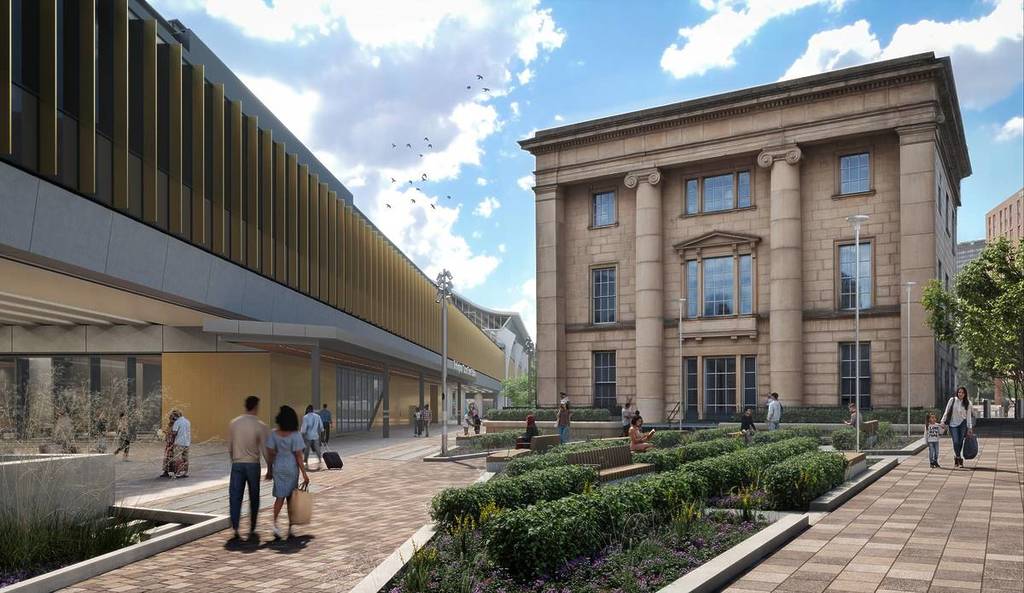
While the Grade I listed terminal building has remained an iconic landmark for the city, ever since, it has remained defunct for decades. But since the announcement that a new Curzon Street Station will be built for the HS2, the new terminus will incorporate the neo-classical structure into the design—potentially housing a visitor centre and office space.
What will the new Curzon Street Station look like?
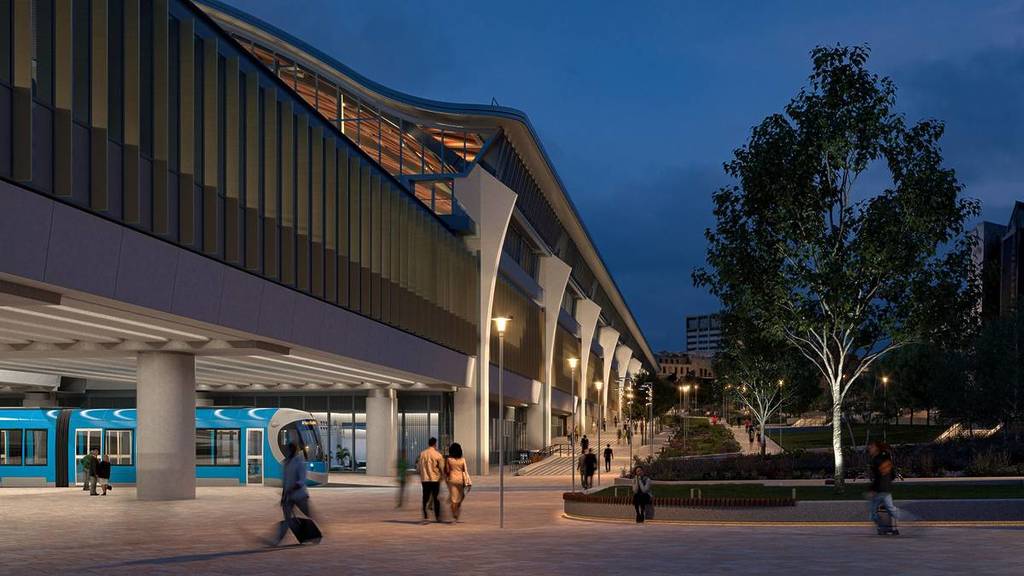
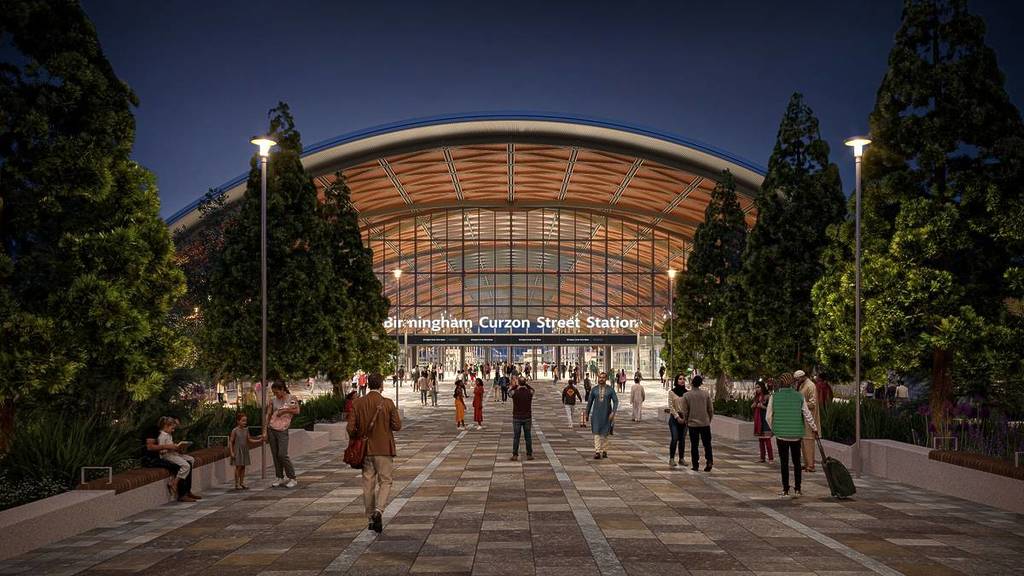
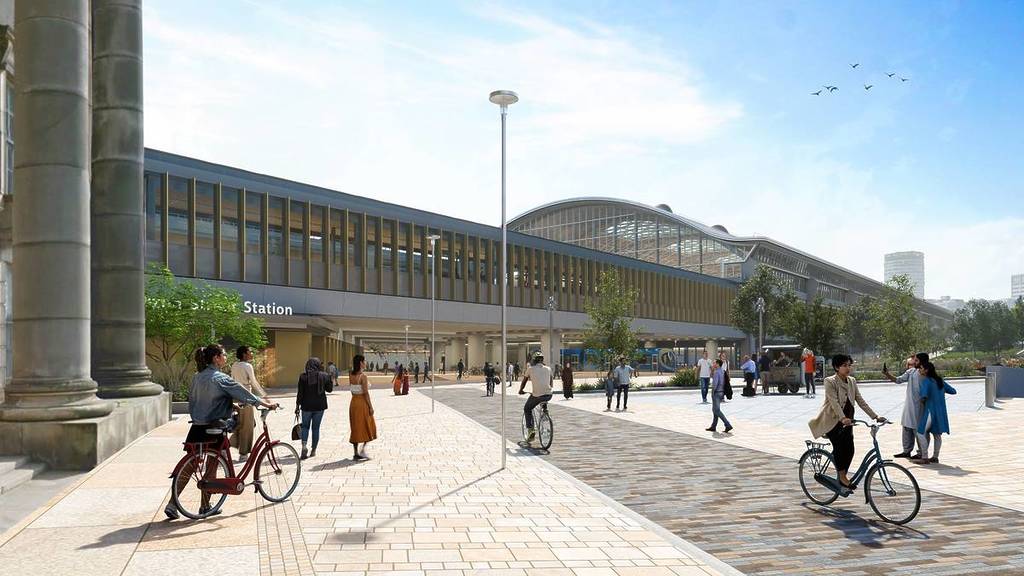
Stretching for more than 400m between Moor Street station and Millennium Point, Curzon Street will include seven platforms covered by an enormous arched roof inspired by the railway architecture of the Victorian age. At the front of the station, passengers will pass through a paved ‘station square’ edged by gardens facing Moor Street Queensway.
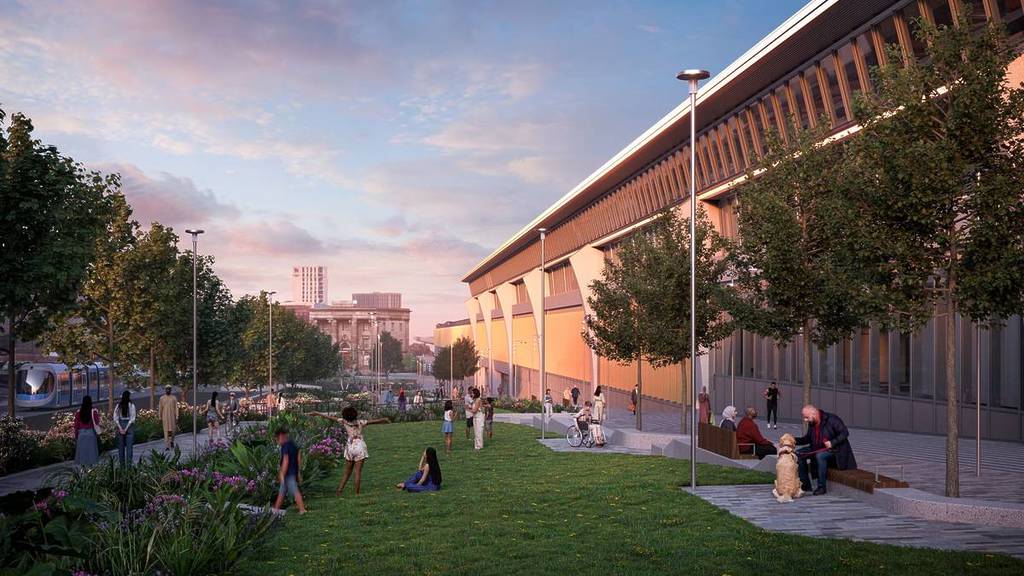
Next to the eastern entrance, the new square will face the disused Old Curzon Street station building. A new terrace and gardens will be created to the rear of the old station to complement the setting of the historic building. A second entrance at the other end of the station—giving access to Digbeth and the east side of the city—will include a tram stop and taxi drop-off points as well as cycle access.
“Once complete, Curzon Street will be a new landmark for Birmingham – and provide a fitting city centre terminus for a railway that will improve journeys and free up space on the existing West Coast Main Line,” said HS2 Ltd’s Senior Project Manager, Alistair Morgan.
“It’s great to see how much progress has been made on the foundation works and I’d like to thank everyone who’s been working so hard to get the job done. But we’ve still got a lot of work to do before the first passengers arrive, and I look forward to seeing more significant progress in the year ahead.”
What is the latest update on the new Curzon Street Station?
The last of 2,011 concrete columns—each between 6 and 24 metres deep—that will underpin the foundations of Birmingham’s Curzon Street station have now been sunk into the ground. Now, the focus turns to preparing for the Digbeth extension to the West Midlands Metro, which will stop under the station on New Canal Street.
Elsewhere on the site, progress is also being made on the temporary office block that will be the nerve centre for the next stage of construction. At the peak of the work, more than a thousand people are expected to be employed on the Curzon Street project. However, there is still significant work to do across the whole 140 miles between London and Birmingham.