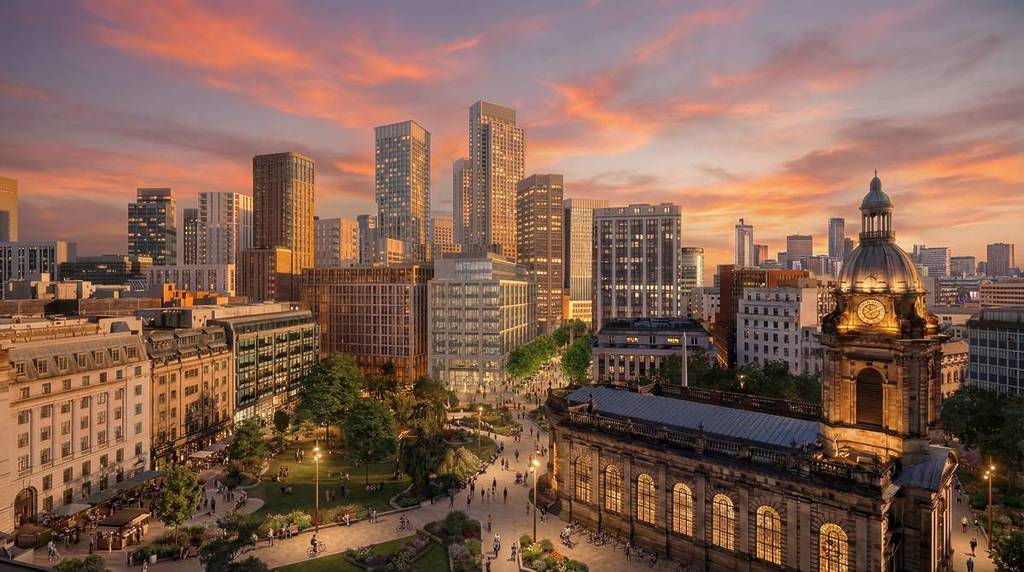

What will the future of Birmingham look like? Well, Birmingham City Council has unveiled a new look city centre with its latest ‘Central Heart’ proposal. The plan is to create “a vibrant mixed-use neighbourhood, supported by new transport connections, green spaces and public realm improvements.”
What will ‘Central Heart’ look like?
The area will act as a gateway between HS2 Curzon Street Station, the Bullring, New Street Station, the Colmore Business District and the wider city centre—with proposals including over 5,000 homes, up to 8,000 jobs, over 400,000 sqm of commercial floorspace and over 7 hectares of new public space.
The ambitious new plans hope to double green space in the central area, while new linear green routes will introduce “safer streets for walking and cycling and better links to employment, education and cultural destinations.” To achieve its aim, Birmingham City Council is now opening up to private sector investment.
“Our message to investors is clear,” said Joanne Roney, Managing Director of Birmingham City Council. “If you want to back a growing, youthful, diverse city with a clear plan and a strong partnership between the council, business and communities, Birmingham is the place to invest.”
How will this benefit Brummies?
The Birmingham Central Heart Prospectus looks to directly benefit residents across Birmingham by:
- Delivering thousands of new homes, including city centre living close to jobs, education and transport links, helping to tackle housing pressures.
- Creating around 8,000 new jobs in sectors such as professional and financial services, tech, hospitality, retail and construction, building on Birmingham’s growing reputation as a major UK business hub.
- Unlocking major improvements to streets, squares and green spaces, including safer, more accessible routes for walking, wheeling and cycling and better connections to public transport.
- Supporting local shops, cafes, cultural venues and small businesses by increasing footfall and extending activity into the evenings in a safer and better-lit environment.
“Residents rightly expect us to focus on delivering better housing, safer streets and more secure, better paid jobs,” said Councillor Sharon Thompson, Deputy Leader and Cabinet Member for Economy and Skills. “Our aim is to turn empty or outdated buildings into new homes, workplaces and green spaces that serve our communities.”
How is ‘Central Heart’ being built?
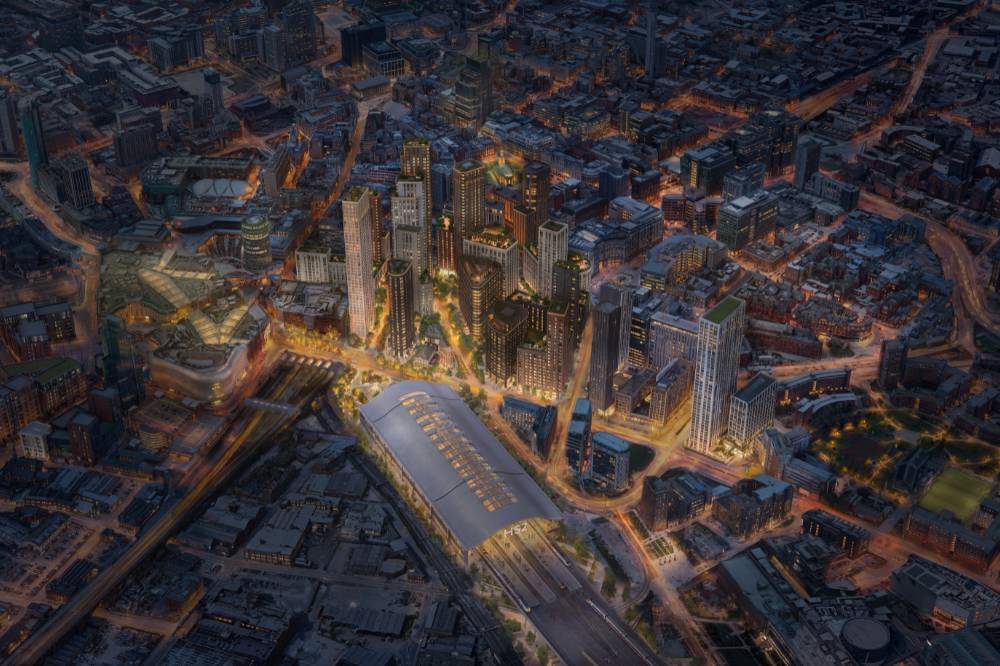
Birmingham Central Heart sits within the emerging Central Heart Growth Zone of the Birmingham Local Plan and is aligned with the Central Birmingham Framework 2045 and the Economy and Place Strategy, which identifies the area as critical to the city’s long-term growth.
Plans are also being brought forward to establish the Birmingham East Mayoral Development Corporation, a new statutory body expected to be formally in place by 2027, which will help accelerate regeneration, co‑ordinate infrastructure and unlock funding across Birmingham Central Heart, Digbeth and the wider east Birmingham and North Solihull area.
The council is working closely with regional and national partners, including the West Midlands Combined Authority and government-backed finance institutions, to link Central Heart projects with appropriate funding streams. This is on top of private sector investment that Birmingham City Council is now seeking.
“There’s never been a better time to invest in the West Midlands,” said Richard Parker, Mayor of the West Midlands. “With record funding and new devolved powers, we are moving faster than ever to transform our region through projects like Central Heart Birmingham.
“My focus is not on grand visions that sit on paper, it’s on delivering prosperity that reaches all communities. That’s more homes, better-paid jobs, and the right infrastructure to give everyone the best opportunity to get on in life.
“We already have the confidence of the private sector with billions of pounds of investment coming into the Sports Quarter and Birmingham Knowledge Quarter, and we’ll go even further with Central Heart Birmingham as part of the HS2-led regeneration of the city.”