In the shadow of Birmingham’s most iconic landmarks sit the city’s most humble houses: Birmingham Back to Backs—the city’s last surviving court of back-to-back houses preserved in time. But the homes located on Inge Street and Hurst Street almost didn’t make it into the 21st century.
Court 15
In the 19th century, these types of working-class homes were all the rage in industrial towns and cities like Birmingham, built to cope with rapidly increasing populations. But they were later labelled a health hazard by the Public Health Act (1875), and the last remaining residents of Court 15 were cleared out by 1966.
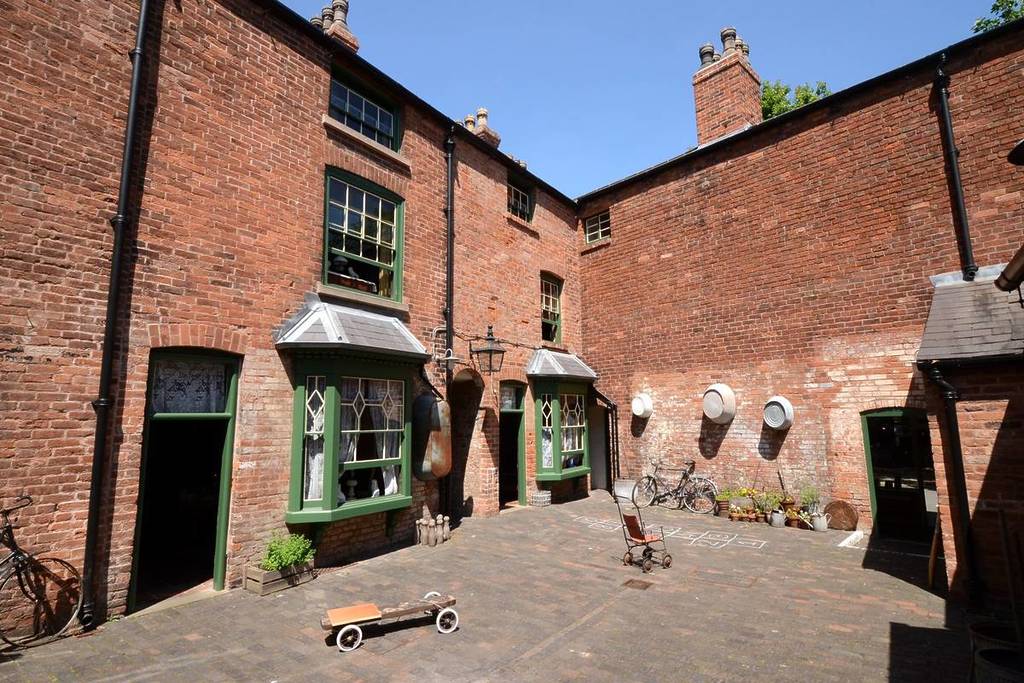
Thousands of similar courtyard houses—built directly against one another with a shared rear wall, meaning they had no back doors, rear gardens, or cross ventilation—were bulldozed in the early 1970s. But Court 15 survived thanks to its shop frontages on Hurst Street.
Birmingham Back to Backs
Decades later, the National Trust took over the court at 50–54 Inge Street and 55–63 Hurst Street. Turning it into a museum, you can now discover what working people’s lives were like 200 years ago, and take guided tours of the carefully restored courtyard and houses, moving from the 1840s through to the 1970s.
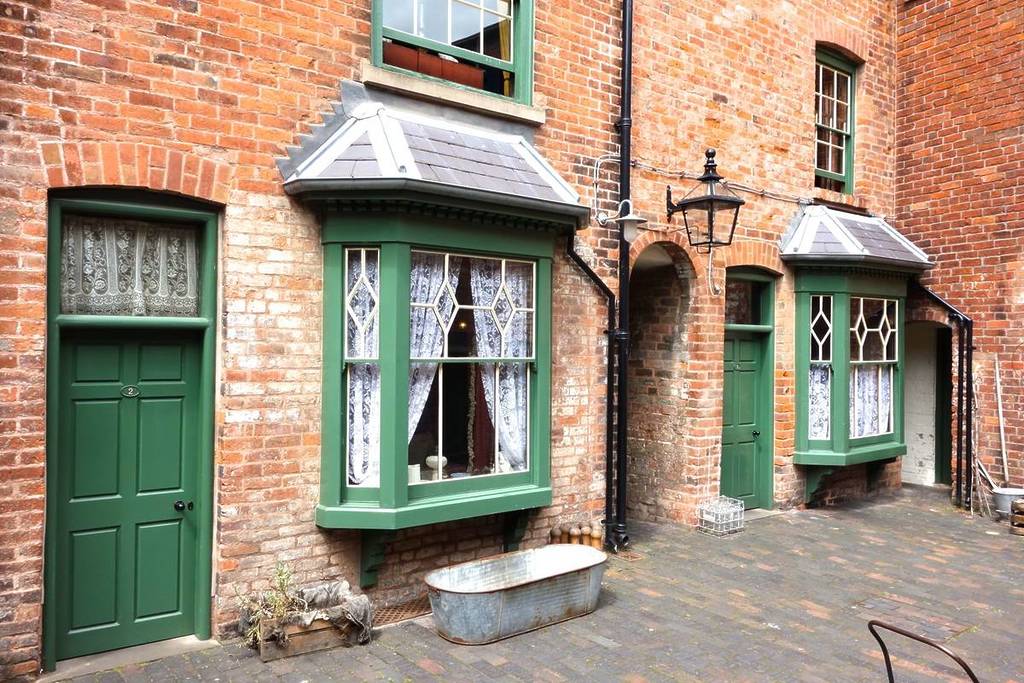
You’ll need to pre-book your guided tour to Birmingham Back to Backs, but it’s well worth organising, as you’ll discover the families that once called these Grade II listed buildings home. It even houses the only collection of work by a Caribbean tailor in the UK, George Saunders, who operated a shop here for many years
Peaky Blinders fans will like to know “it inspired elements of the show and helped to recreate an authentic representation of the city’s gritty historical atmosphere.” Book lovers, take note: Birmingham Back to Backs also has a secondhand bookshop (Court 15 Books) that keeps this unique spot thriving.
If you’d like to visit Birmingham Back to Backs, head to the National Trust website.