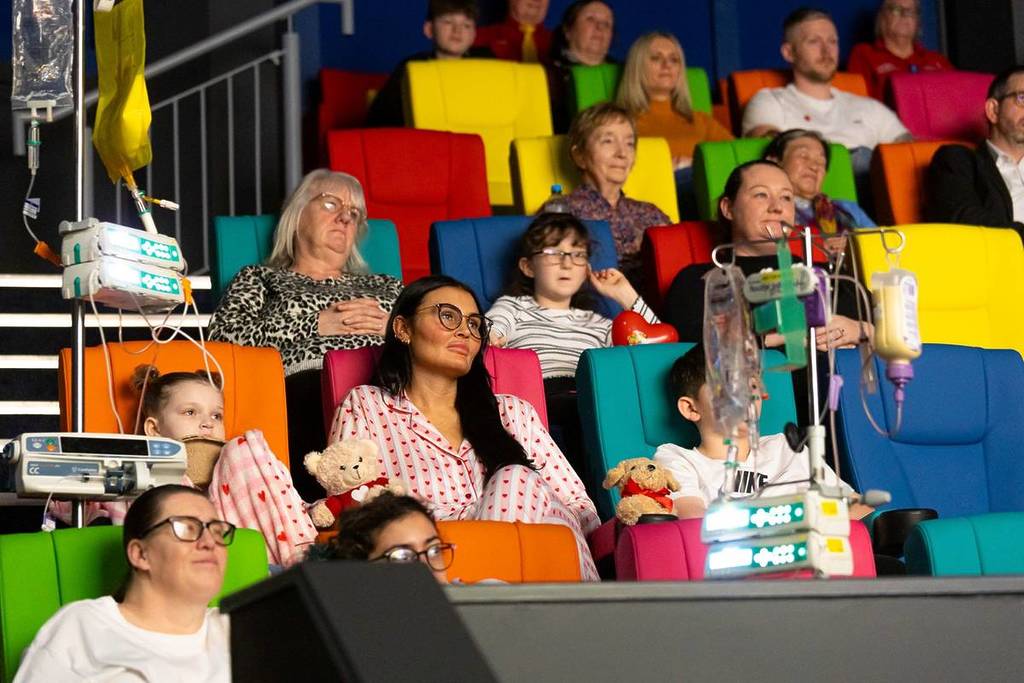
There is nothing quite like the magic of the movies, but not everyone can easily experience the joy of cinema. For those stuck at Birmingham Children’s Hospital, a big screen excursion just isn’t a possibility. That’s why the hospital charity has built its very own cinema for its patients and their families.
Partnering with the BAFTA-winning charity MediCinema to create a fully accessible, 84-seat screen in the heart of the hospital, the largest MediCinema in the UK opened on Tuesday (March 3)—treating patients to an exclusive preview of the new Disney and Pixar film ‘Hoppers’, ahead of its national cinema release on Friday, March 6.
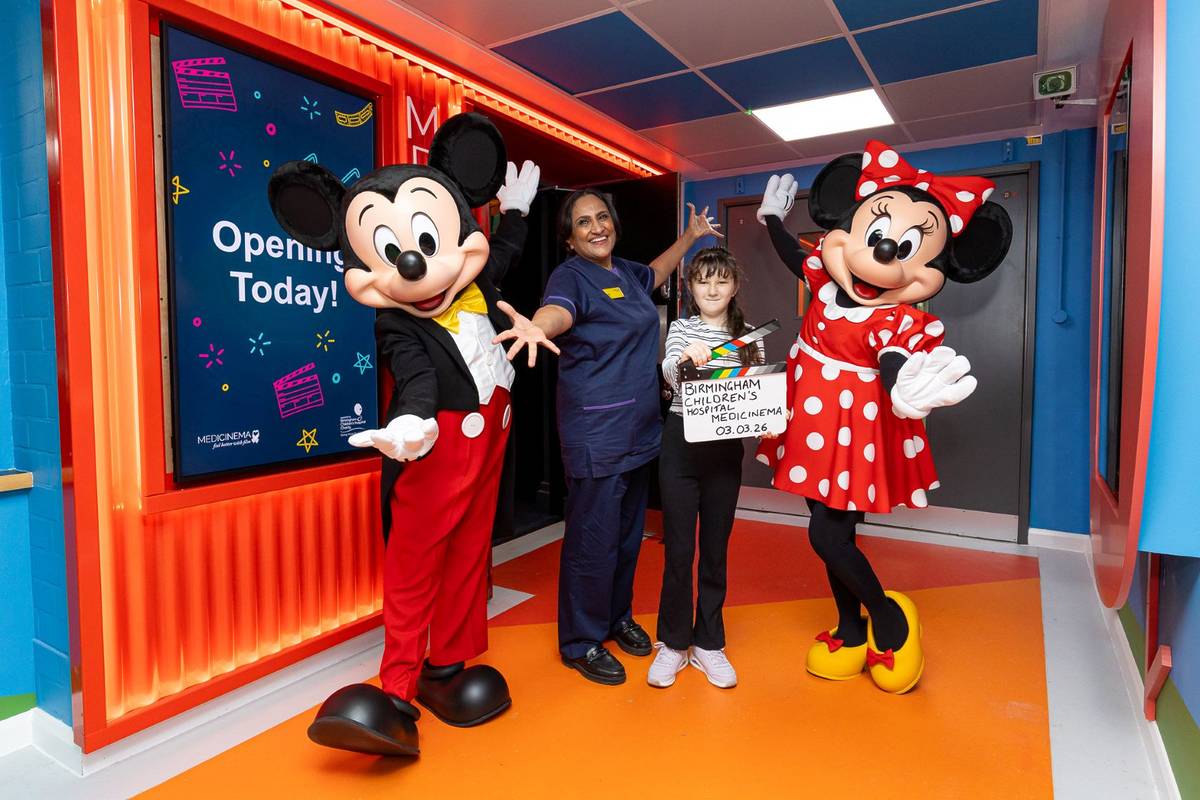
The opening follows a £1m fundraising appeal to create a space where patients and families can spend quality time together away from the wards. Almost 20% of inpatients have to stay at Birmingham Children’s Hospital for up to three weeks every year, some even longer, which can intensify feelings of isolation, fear and anxiety.
The MediCinema will screen the latest films at no cost to the patients or the NHS, while the ‘premiere’ opening saw children greeted by the iconic duo Mickey and Minnie, and enjoy additional entertainment before ’Hoppers’ began. Afterwards, each patient left with a special gift from Disney to take back to their bedside.
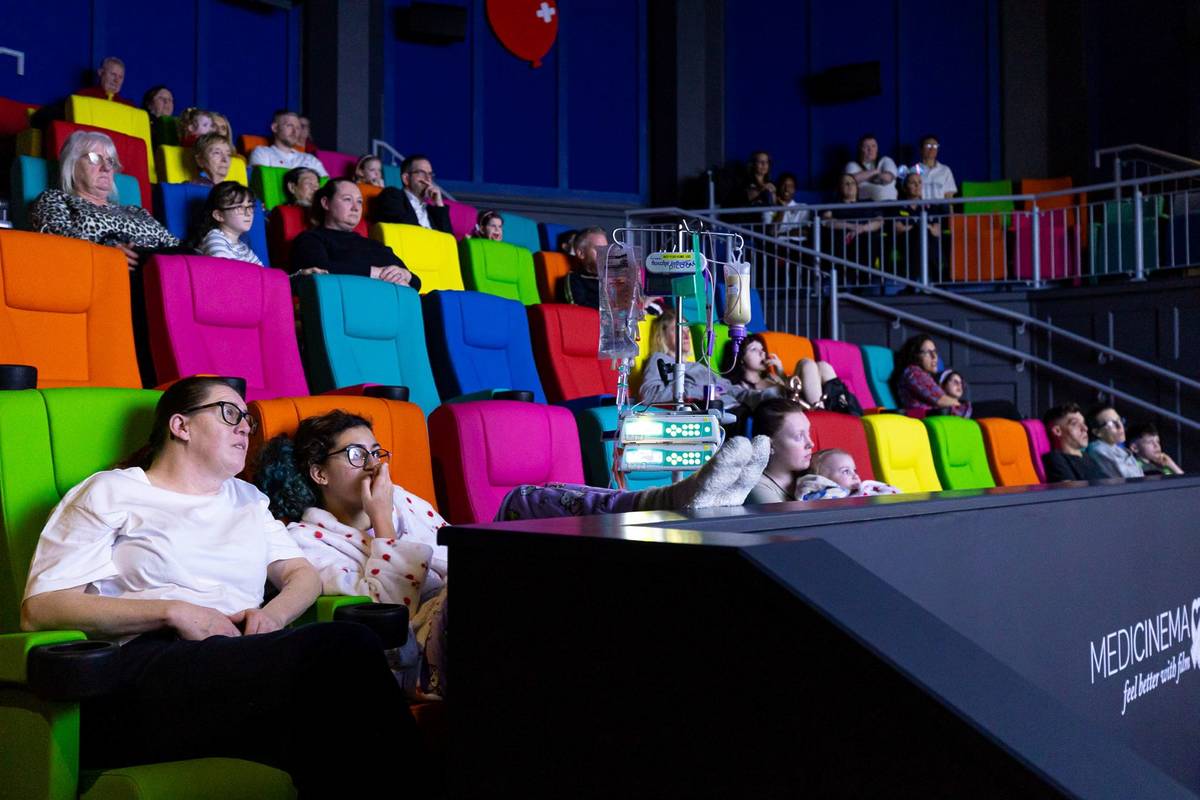
“To see the excitement on the faces of the children at the screening was pure magic. The MediCinema is already making a massive difference,” said Daljit Athwal, chief nursing and midwifery officer at Birmingham Women’s and Children’s NHS Foundation Trust.
“We know lengthy stays in hospital can impact an entire family’s physical and mental health, with patients often feeling isolated from their parents, siblings and friends. This often affects their overall wellbeing and recovery. Our MediCinema will help change that and we feel so privileged to be able to provide this opportunity for our children.”
What is the new MediCinema like?
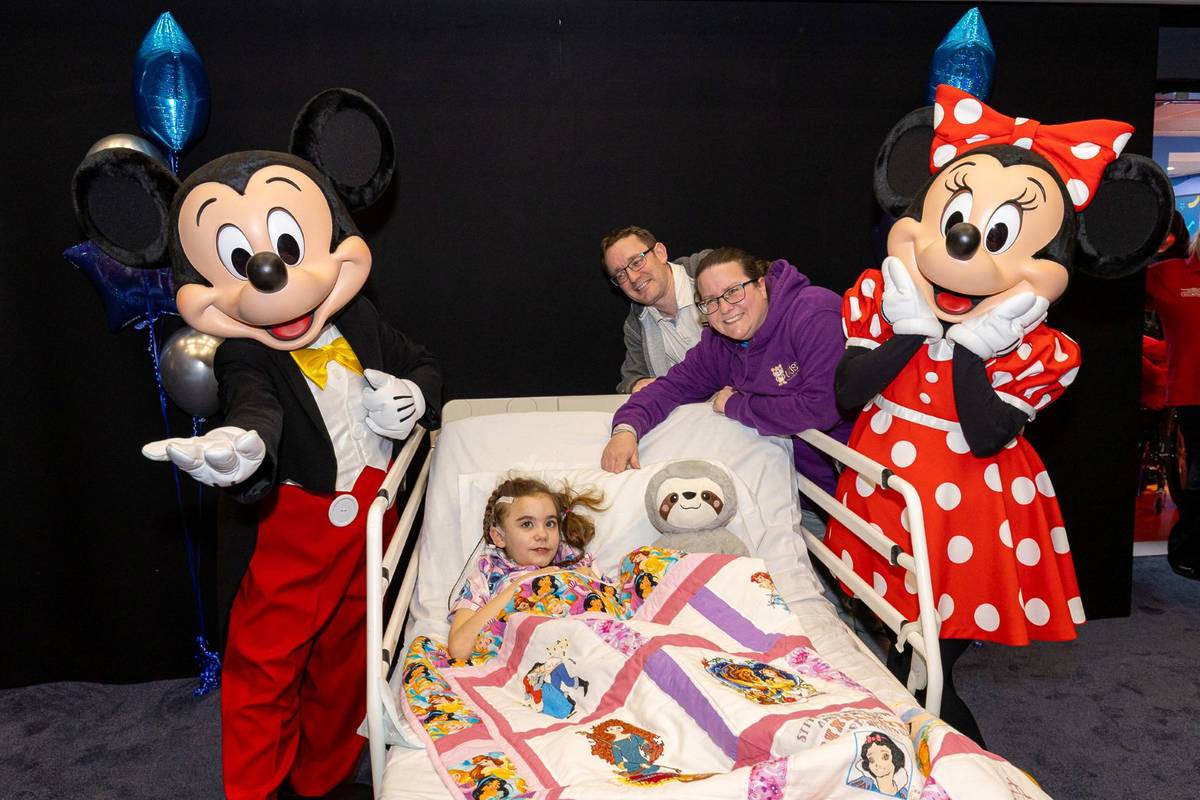
Housed in the hospital’s lecture theatre, the MediCinema features 84 purpose-made, movie-style seats and is designed to accommodate wheelchairs, hospital beds and medical equipment, ensuring as many patients as possible can access the screenings.
It is expected to provide around 260 screenings a year, with an estimated 5,000 attendees, which will mainly run during evenings and weekends. The space will remain available for staff training and education during the day. The £1m included the running costs for the first 12 months, but the charity will continue to fundraise for its future.