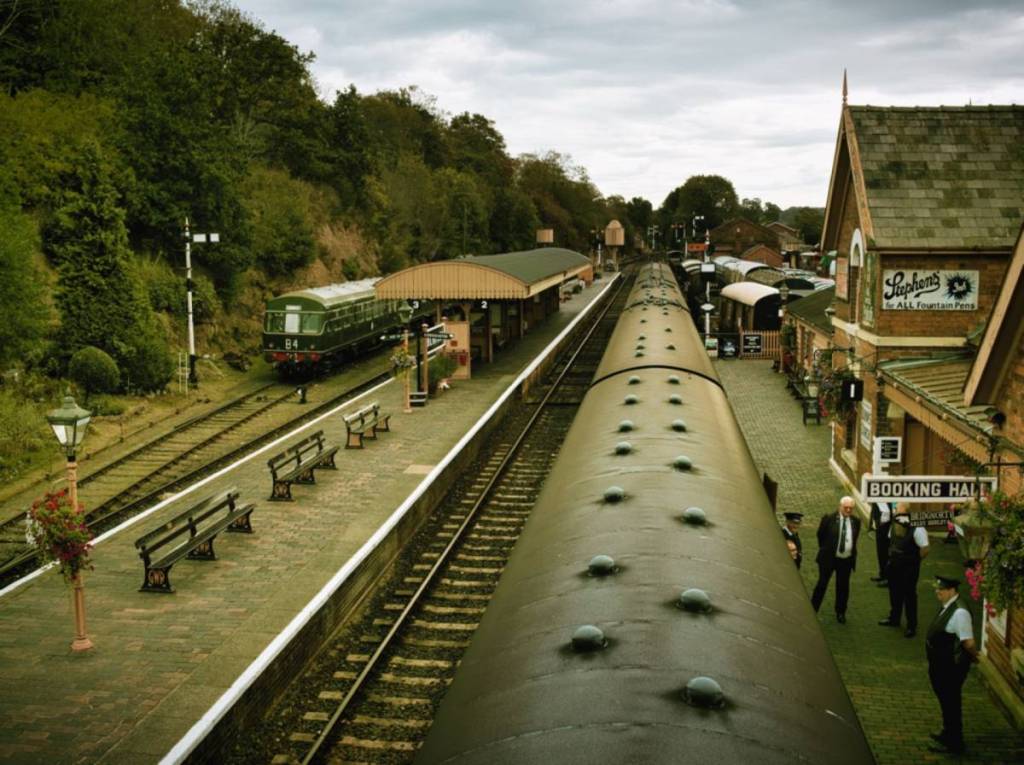

Living in a small town isn’t easy. What with the lack of public transport and all that. The train line connecting Kidderminster and Bewdley opened in 1878, but didn’t last long, and closed to regular passengers in 1963. But thanks to the Severn Valley Railway, it was preserved, and 148 years later, it has reopened to commuters
Well, it did reopen. For an eight-week trial. From September 1 to October 22, Tuesdays to Thursdays, you could get an anytime return between Bewdley and Birmingham (changing at Kidderminster) for just £16. Taking approximately one hour and six minutes, the scheme saw 96 trains carry more than 1,000 passengers.
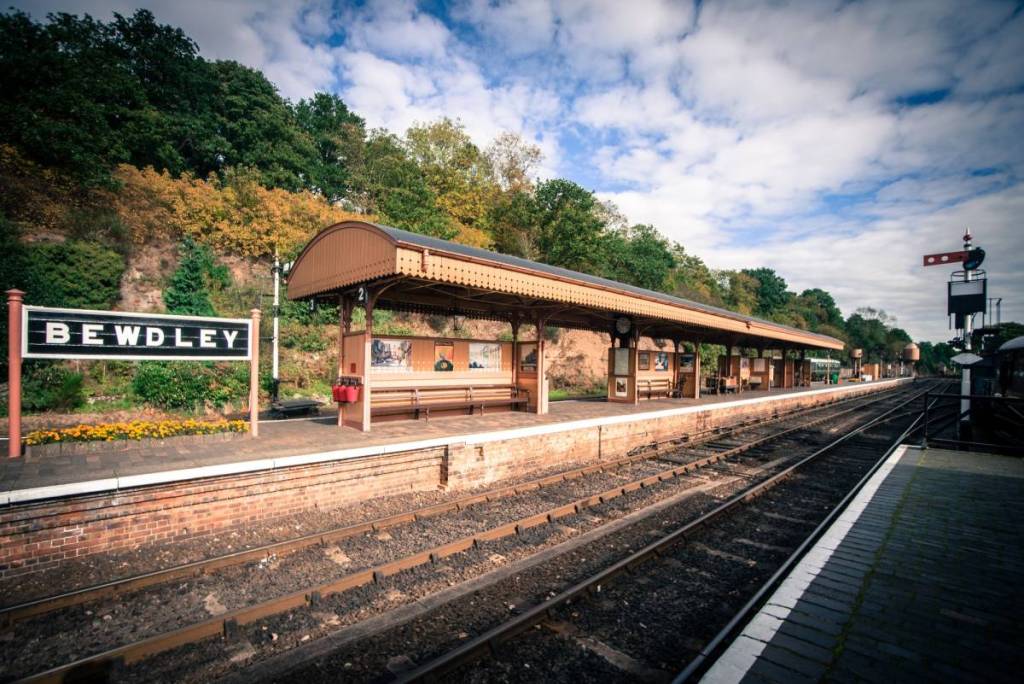
The service was mainly for those commuting to Birmingham, with morning services departing Bewdley at 06:40 and 07:40, and evening services departing from Birmingham Snow Hill at 16:46 and 17:46. But many passengers also used the new service to kickstart trips to London, Plymouth and Glasgow.
“I’m reliant on public transport because I don’t drive,” said one passenger, Lisa. “Normally I’d have to do a five-mile trek on my bike to Kidderminster to get a train to Birmingham. This has given me much more accessibility to commute to work. I’ve even written to the Minister of Transport to say what an enormous asset it is.”
Will the Bewdley Express return?
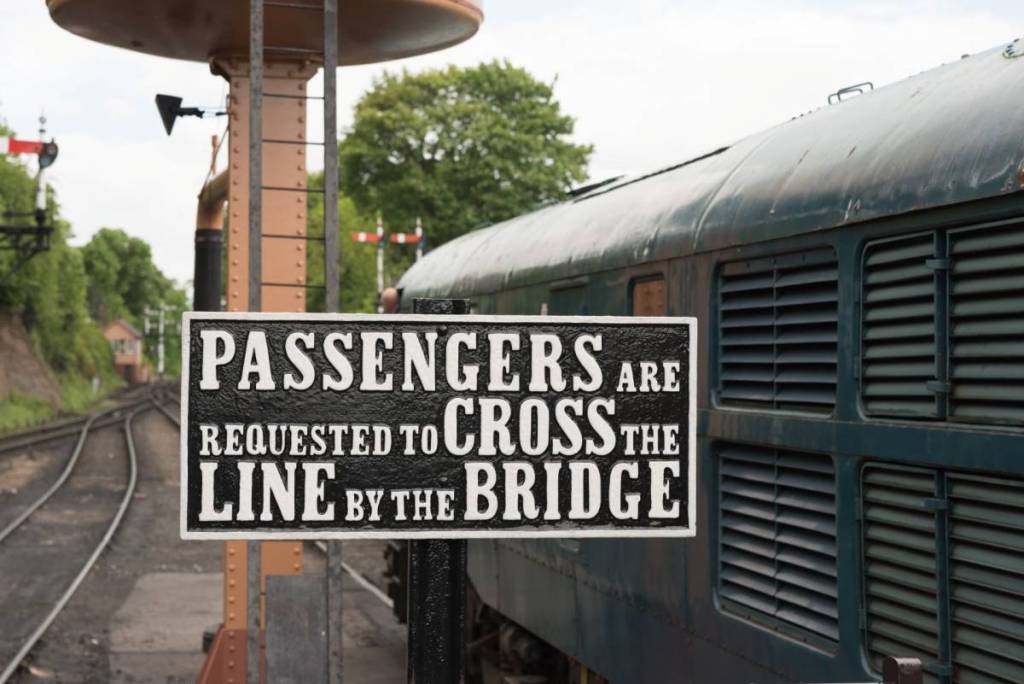
Volunteers were largely responsible for keeping the timetable running, while no decision has been made on whether to make the service permanent. The future of the Bewdley Express will depend on the trial’s findings (passenger feedback is now being collected by email) and whether funding can be secured.
The trial was brought together by Severn Valley Railway, West Midlands Railway and the West Midlands Rail Executive to explore how heritage railway infrastructure could help improve modern rail connectivity. A decision on what will happen next will be made jointly and is described as “likely to take some time.”
“The trial has given us invaluable information and data, as well as demonstrating to potential passengers what is possible. There is still a great deal to consider before we can say whether this service could become a permanent fixture, but we have made an important start,” said SVR Chief Executive, Gus Dunster.