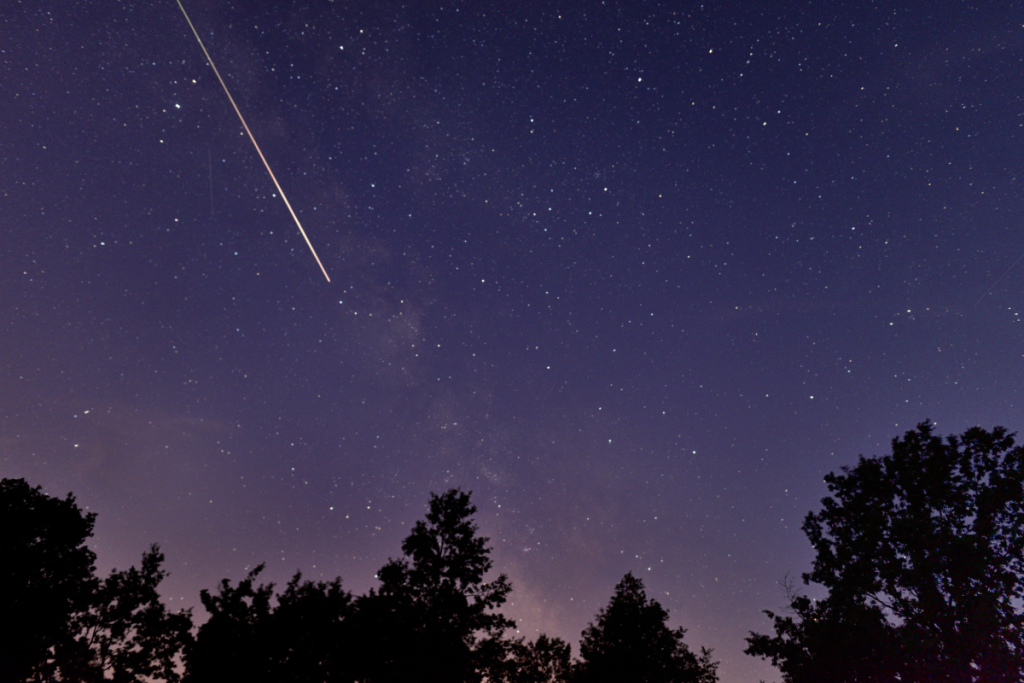

Whilst you can often find me over on this little corner of the internet, waxing lyrical about all of the glorious goings on in and around the city, today I’m broadening my horizons – because I come bearing an event that’s taking place above the city. Star-gazers, space-lovers, and anybody who is partial to experiencing a bit of FOMO, you might want to listen up.
This week, the Draconid meteor shower is taking place in the sky. It’s been active since October 6 and is expected to reach its peak over the next night or so. So, here’s everything you need to know.
What is the Draconid meteor shower?
Meteor showers occur when the Earth travels through a cloud of cometary debris. The Draconid shower is linked with the comet 21 P/Giacobini-Zinner and gets its name from the Draco the Dragon constellation. This particular shower is ‘notoriously unpredictable’ – and whilst it hasn’t produced anything particularly worthy of writing home about in recent years, it previously produced ‘some of the most active displays of the 20th century’. So, you never know, I suppose.
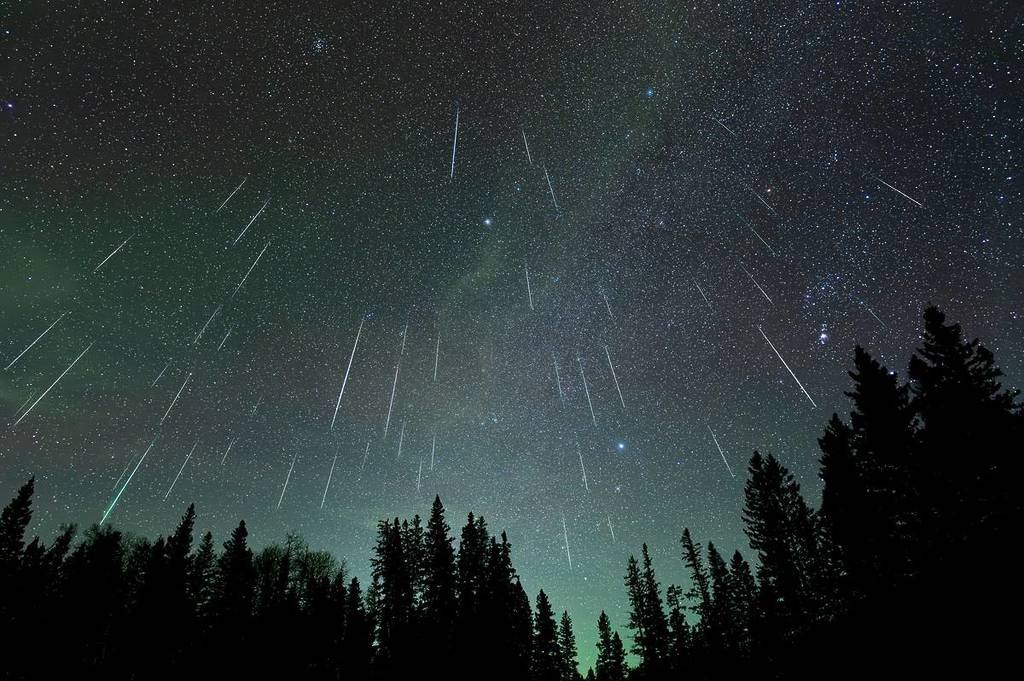
How to see the Draconid meteor shower
Unlike many other meteor showers, this one won’t require you being up and about in the early hours of the morning. The Draconid meteor shower is best visible in the evening, just after nightfall, as this is when the shower’s radiant point in the Draco constellation is at its highest. To have the best chance of feasting your eyes on this celestial event, head to somewhere with clear view of the sky with an unobstructed horizon and minimal light pollution.
Approximately 10 shooting stars per hour are expected to be visible at nightfall during the shower’s peak. And although this particular meteor shower might not be the biggest or the brightest, it tends to peak the interest of sky-gazers due to the possibility of it creating a meteor storm. So, we’d highly recommend you looking up to the sky tonight and tomorrow, folks – because you truly never know what you’re going to see.