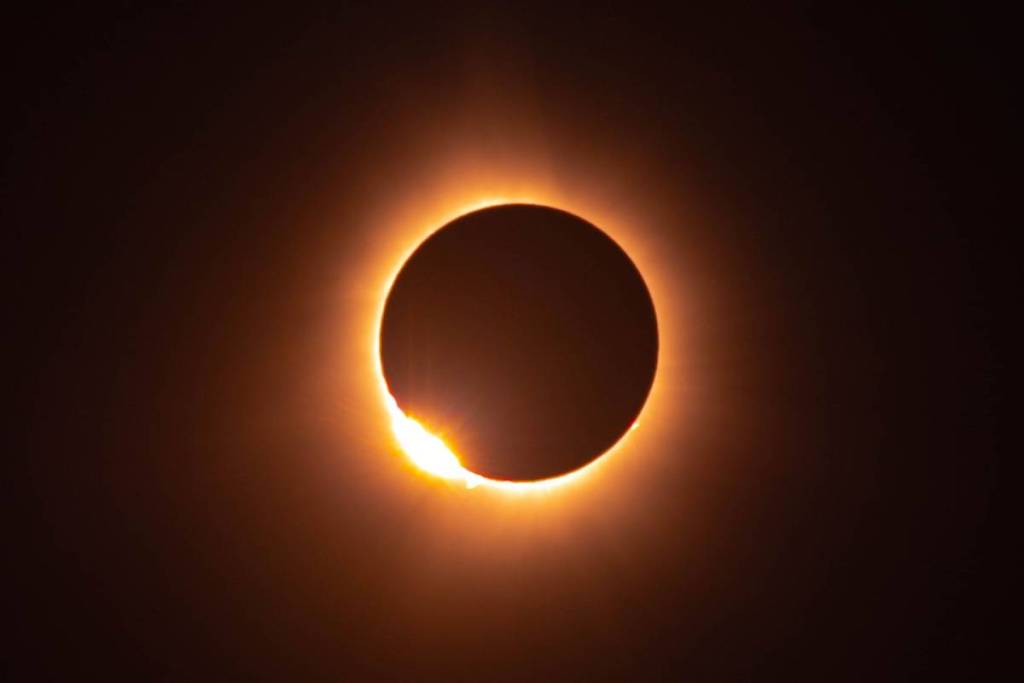

The greatest solar eclipse the UK has seen since 1999 is coming this August. While not a total solar eclipse, people will see around 90% of the Sun covered by the Moon across the British Isles—and to top it all off, it’s happening the very same day as the Perseid meteor shower peaks.
What is a solar eclipse?
Simply put, a solar eclipse is when the Earth, Moon and Sun line up, with the Moon passing in front of and blocking the Sun’s light. A total eclipse is when the Sun is fully covered by the Moon, while a partial eclipse is when only a part of the Sun is covered.
In parts of Greenland, Iceland and Northern Spain, they will experience a total eclipse, while we must make do with a partial eclipse—at 90% coverage, and in some places even higher, it’s still the best the UK has seen in almost 27 years.
When is the partial solar eclipse?
The partial solar eclipse will take place on Wednesday, August 12, 2026, in the UK. In Birmingham, the Moon will begin covering the Sun from 6:15 pm, reaching its peak coverage at 7:11 pm, before ending its eclipse at 8:04 pm.
Can I look directly at the Sun?
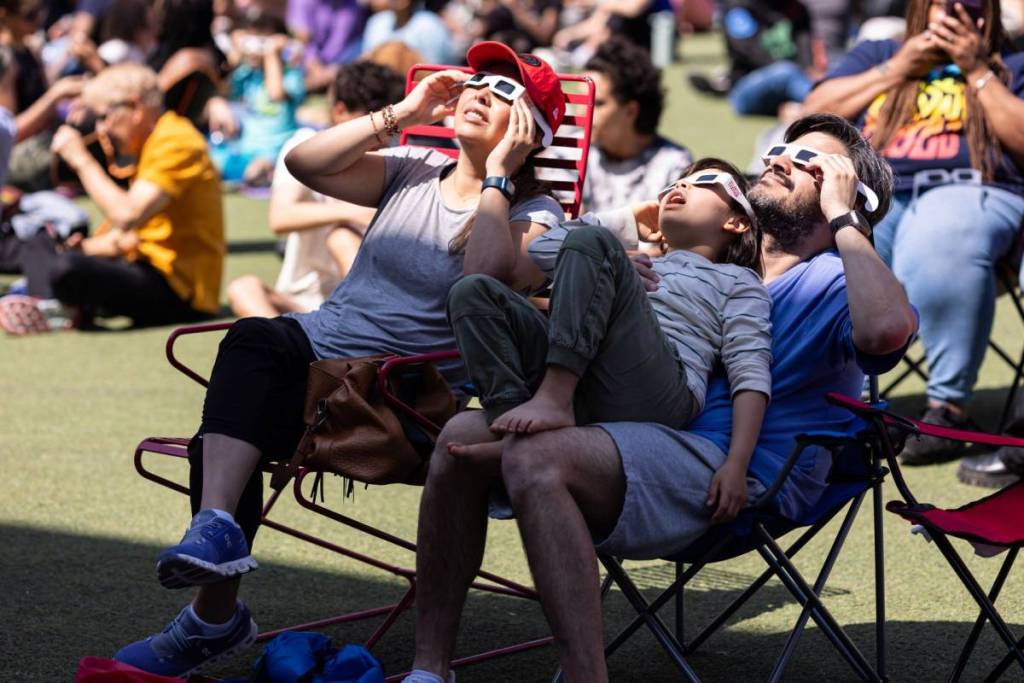
Look, I know you’re going to do it anyway, but I cannot in good conscience advise you to stare at the solar eclipse (Google: “solar retinopathy”). In 1999, around 70 people experienced vision problems after watching the eclipse (40% looked at it for less than a minute). Instead, there are a variety of ways to see it that won’t damage your eyes:
- Use special eclipse glasses that block out the Sun’s rays (make sure they meet the international safety standard ISO 12312-2:2015(E), as ordinary sunglasses won’t cut it)
- Make a ‘pinhole viewer’ or ‘pinhole projector’ with an old cereal box to watch indirectly (alternatively use the holes of a colander or the leaves of a tree)
- Watch it via the Royal Observatory’s live stream, with coverage live on YouTube and Facebook from 6:10 pm
What about the Perseid meteor shower?
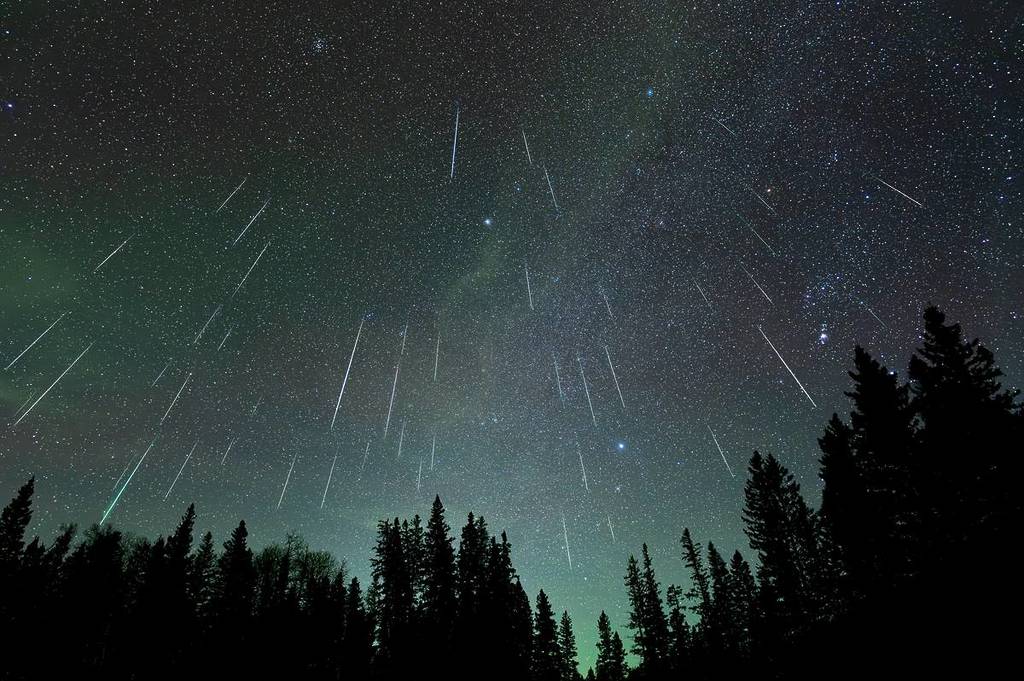
Kept your vision? Good. The Perseids will peak that very night with up to 150 meteors per hour. The best time to spot the meteors is from around midnight to 5:30 am. For more tips and information on this incredible stargazing phenomenon, learn more about the Perseid meteor shower here.