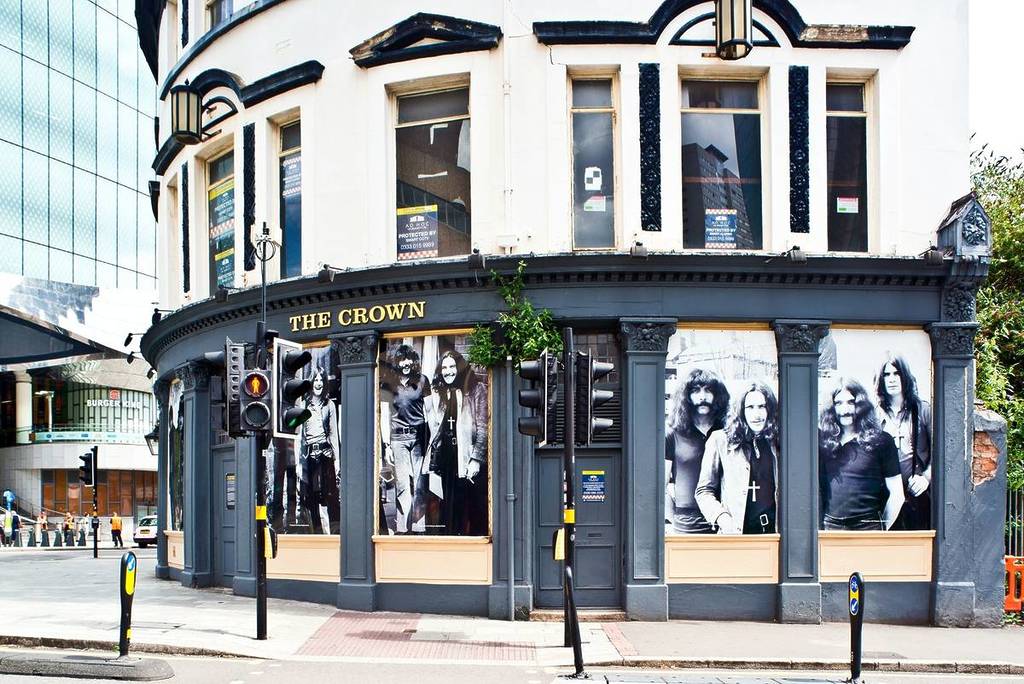

The Crown was built all the way back in 1881, but the Station Street venue is probably most famous for hosting the first gig of Birmingham icons, Black Sabbath—as well as performances from other local legends like UB40, Duran Duran, Judas Priest, Robert Plant and many, many more.
Having sat empty since 2014, the legendary pub’s future has remained uncertain (although it received Grade II listed status in 2024). Under the ownership of a Japanese hotel chain, Toyoko Inn, the plan has long been to revitalise The Crown (with a new 300-bed hotel built on the existing car park at the back of the site).
What’s new with The Crown?
Progress has been painfully slow, but we can report that Toyoko Inn is now in the early stage of developing concepts for the site—which includes The Crown, Shaftesbury House and the adjoining car park site—with a central focus still on retaining and celebrating The Crown’s musical heritage.
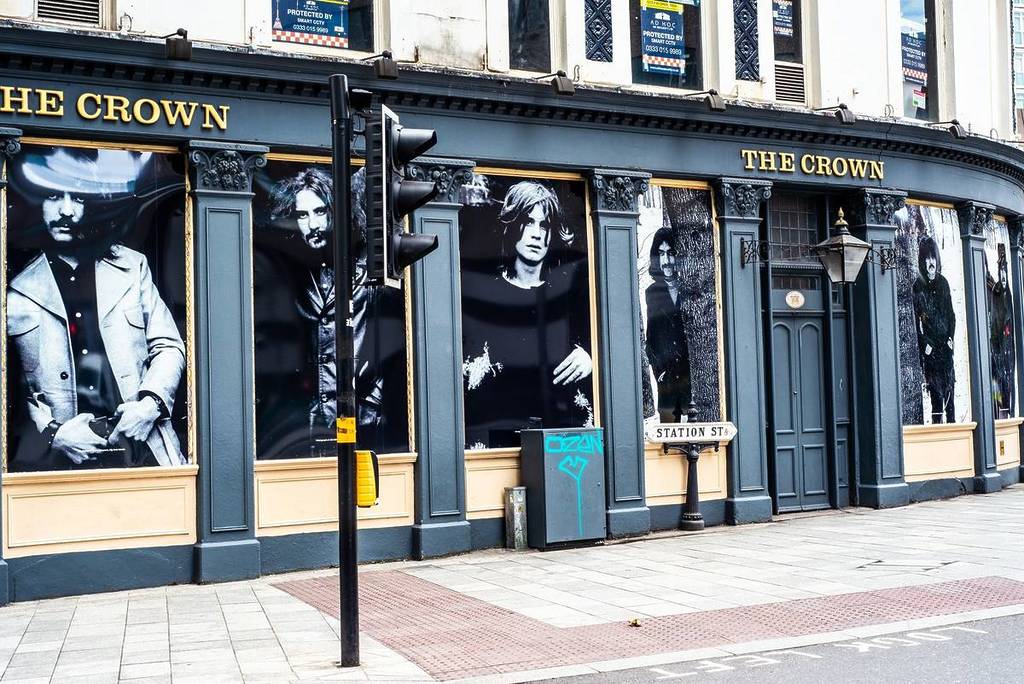
Initial design work has been undertaken by Stephenson Hamilton Risley Studio in collaboration with Lisa Meyer of Home of Metal. The concept hopes to demonstrate how the site might be regenerated without demolishing The Crown, while consultants are considering how any future proposals might best reflect the heritage value of the site.
“It is fantastic to see Toyoko Inn taking such a thoughtful and ambitious approach at this early stage,” said Sharon Thompson, Deputy Leader for Birmingham City Council. “Their commitment to putting The Crown at the heart of their plans is hugely welcome, and the initial design work shows how we can celebrate this iconic building while unlocking new investment for the city.
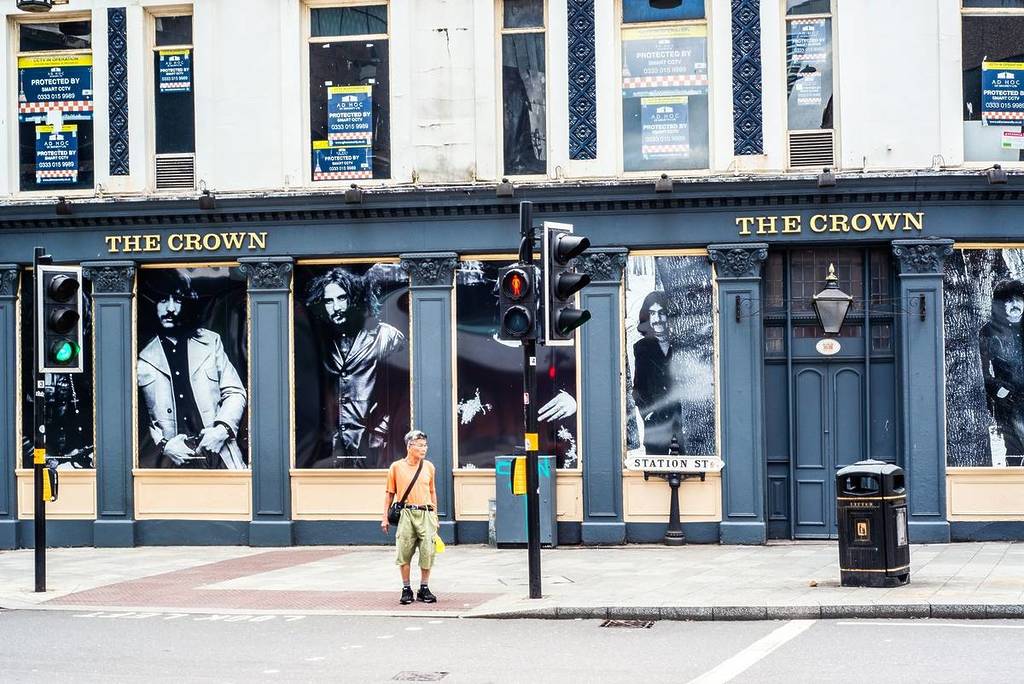
Ideas are still in the very early, conceptual stage, but will hopefully strike a balance between protecting Birmingham’s history (something campaigners like Save Station Street have fought for), while demonstrating the potential for investment and development in the area for Birmingham’s future.
A spokesperson for Toyoko Inn said: “Consultants have been asked to consider how any future concept might appropriately reflect the site’s cultural heritage and its significance as a listed building, including its association with Black Sabbath. All ideas remain embryonic and conceptual.”
The project team will now move into a period of engagement and workshops with stakeholders, led by Birmingham City Council, as early design and planning discussions progress over the coming months.