From a shipwreck off the coast of Dorset to the “birthplace of the communication age” in London, 199 historic sites across England (35 in the Midlands) were added to the National Heritage List in 2025, as many more had their listed status upgraded—this includes three remarkable buildings in the Birmingham area.
“Britain’s heritage is as varied as it is brilliant, with each of these buildings playing a part in shaping our national story over the centuries,” said Heritage Minister, Baroness Twycross. “This year alone, we have protected 199 heritage sites, from neolithic cairns in the Yorkshire Dales to the fabulous Catholic Cathedrals in the heart of Liverpool.”
What is listed status?
The National Heritage List for England is managed by Historic England on behalf of the Government. It identifies significant buildings, sites and landscapes which receive special protection, so they can be enjoyed for future generations. There are three grades of listing—Grade II, Grade II* and Grade I.
Where in Birmingham has been added to the list in 2025?
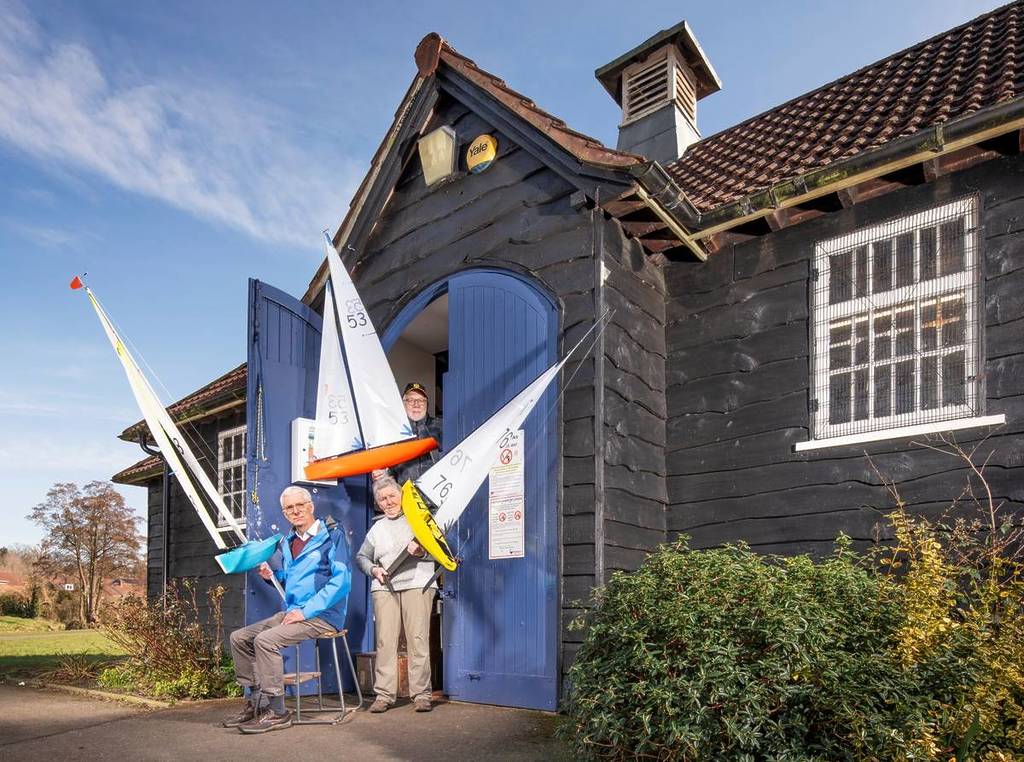
Bourneville Radio Sailing and Model Boat Club Boathouse and Associated Concrete Boating Pond (Grade II)
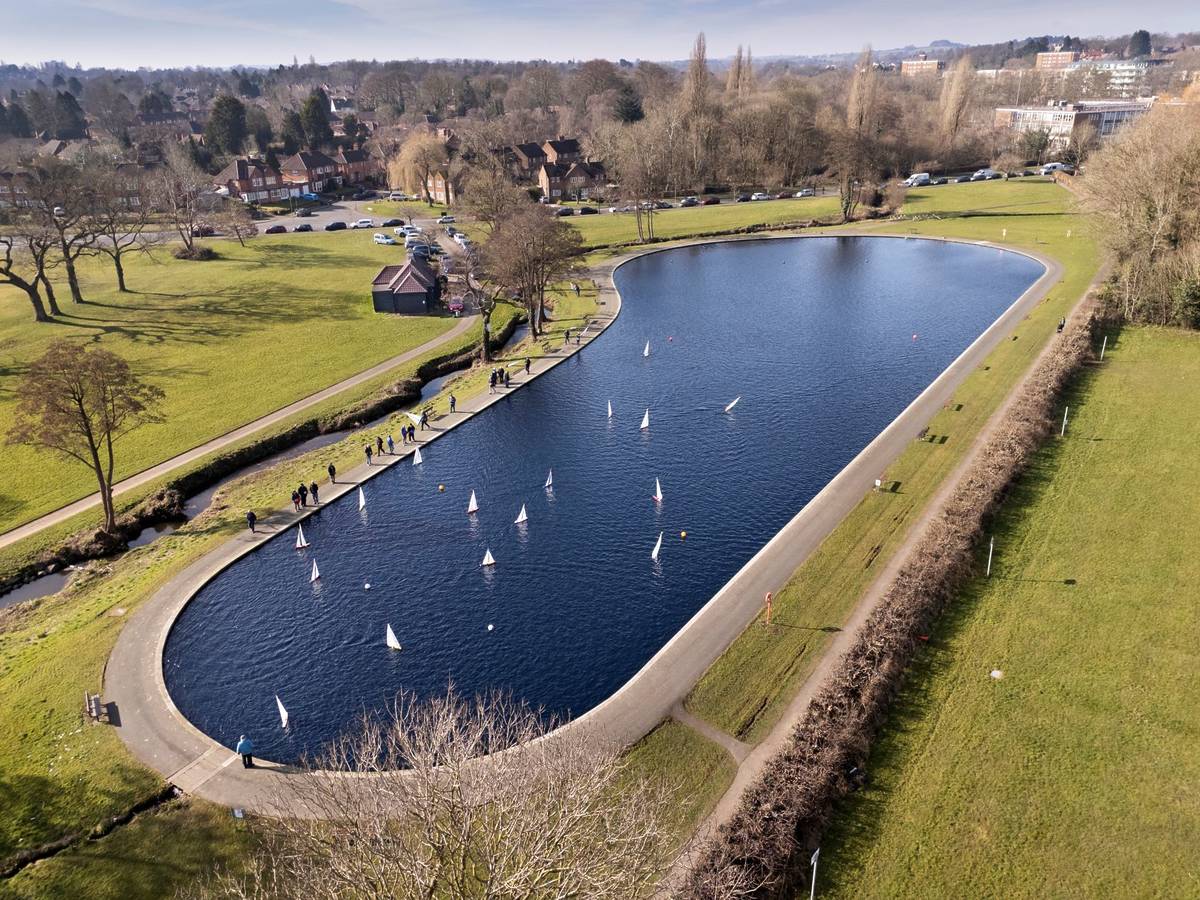
Built in 1933, the boathouse and its distinctive teardrop-shaped lake are another example of the generosity of the Cadbury family. Hiring 64 long-term unemployed men, workers spent four days a week on the construction and a fifth day attending carpentry or gardening classes—to help with future employment.
It’s one of only 11 pre-war model boating clubhouses remaining in England. The listing at Grade II recognises both the craftsmanship and cohesive design. Purpose-built to accommodate fully rigged model yachts, it retains its original features, including exposed roof timbers, open storage areas, and a mid-20th century boat measuring tank.
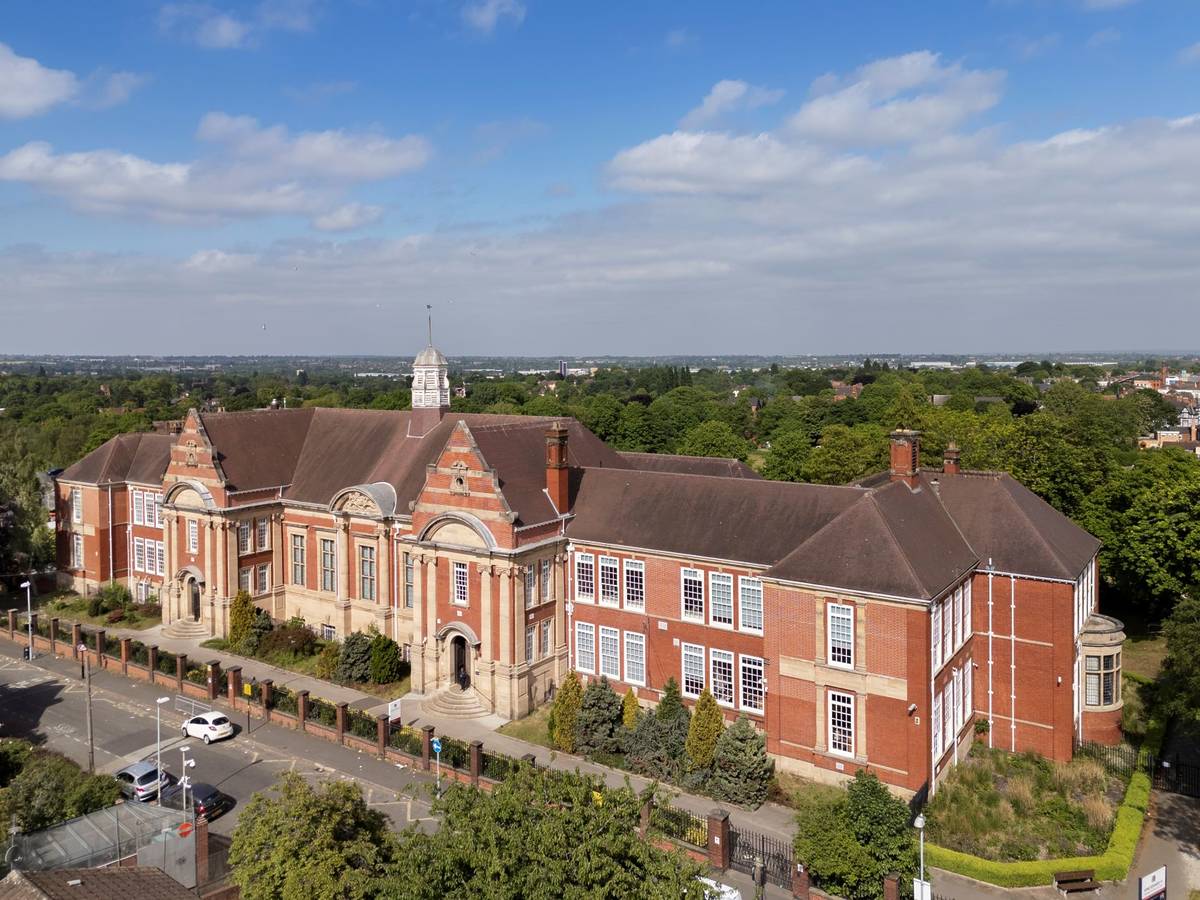
King Edward VI Handsworth School for Girls (Grade II*)
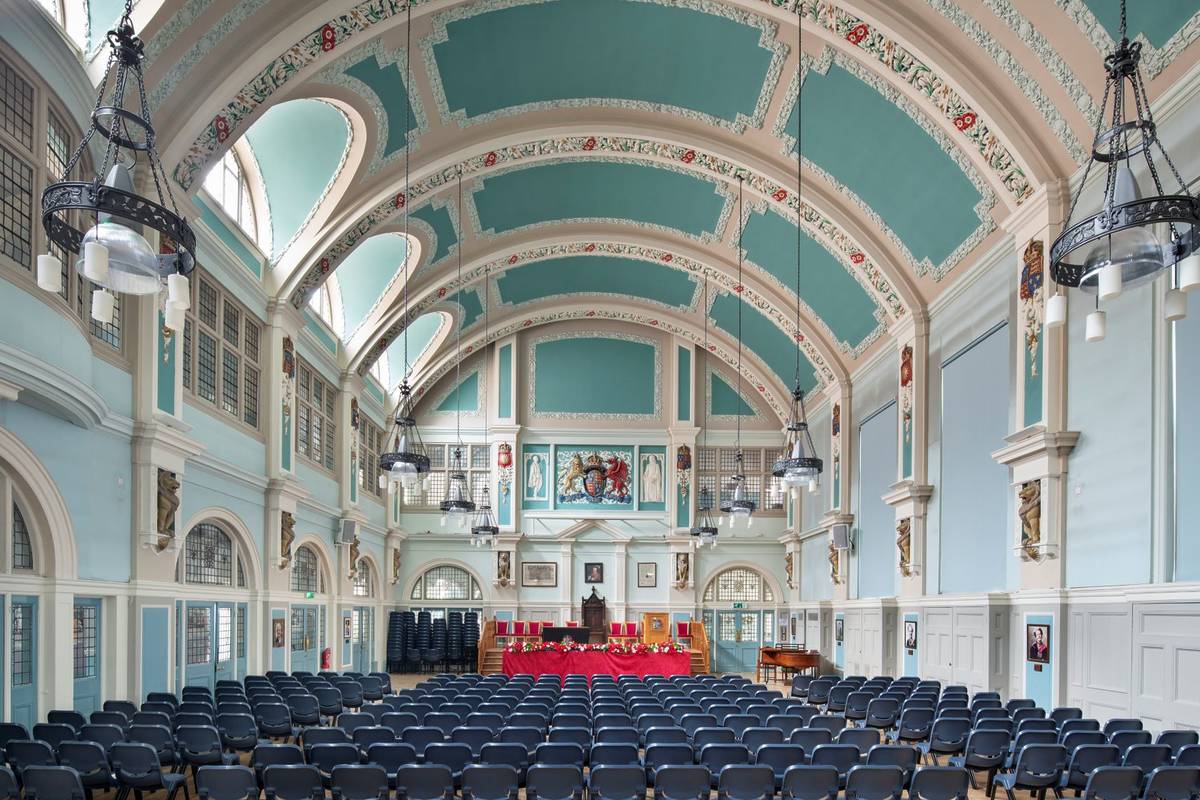
King Edward VI Handsworth School for Girls in Birmingham was constructed in 1911 by the locally significant architect P B Chatwin. The school is an impressive example of neoclassical design, and retains its original plan and a remarkable number of original fixtures and fittings—unusual for a building of this age that remains in use.
The building’s long façade features two full-height gabled entrance bays flanking a central hall, carved stone and a distinctive domed cupola. The interior centres on a full-height hall with detailed plasterwork and ornamental leadwork. Throughout the building, high-quality architectural features include arches, corridors and stairwells.
Church of St Chad, Rubery (Grade II)
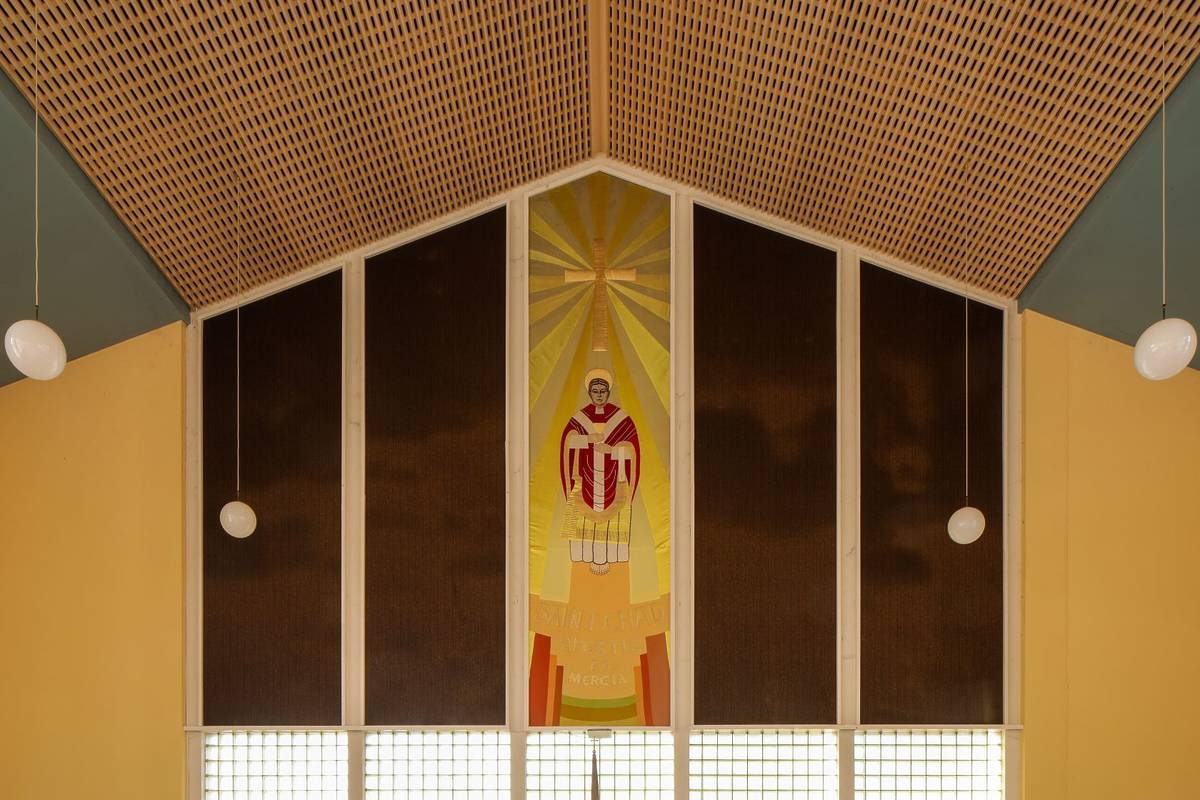
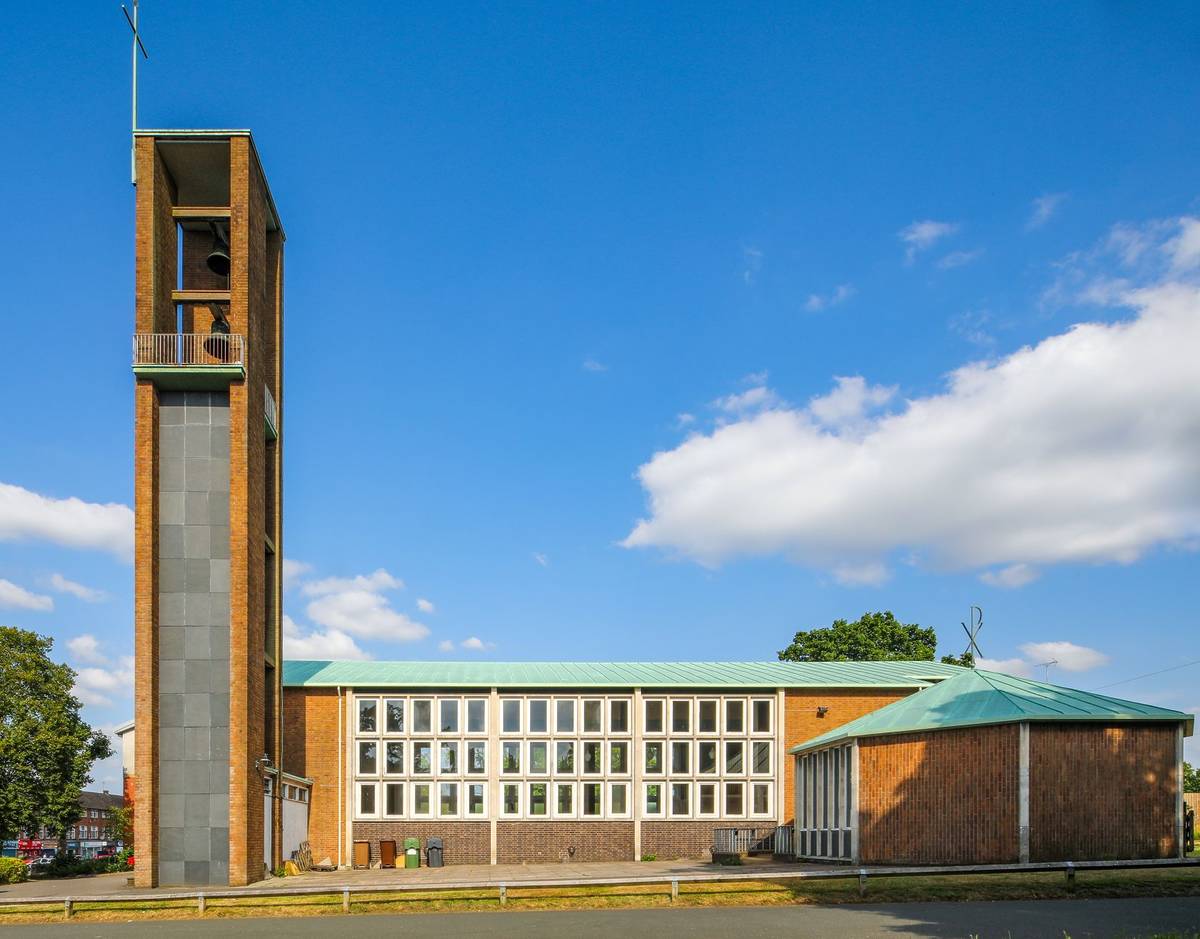
Opened in 1960 by Princess Margaret, the Church of St Chad in Rubery was constructed as a replacement for an earlier timber church on the site, which dated from 1895. It was designed by Richard Twentyman, a significant 20th-century architect particularly known for his churches.
The design of the new church reflects a post-war cultural shift towards buildings that represented a sense of growth, innovation and openness. The simplicity, with a strong emphasis on natural light, is key to Twentyman’s buildings. But also features imaginative sculptural work by Geoffrey Clarke, known for his innovative stained glass and sculptures.
To learn more about the National Heritage List for England, head here.