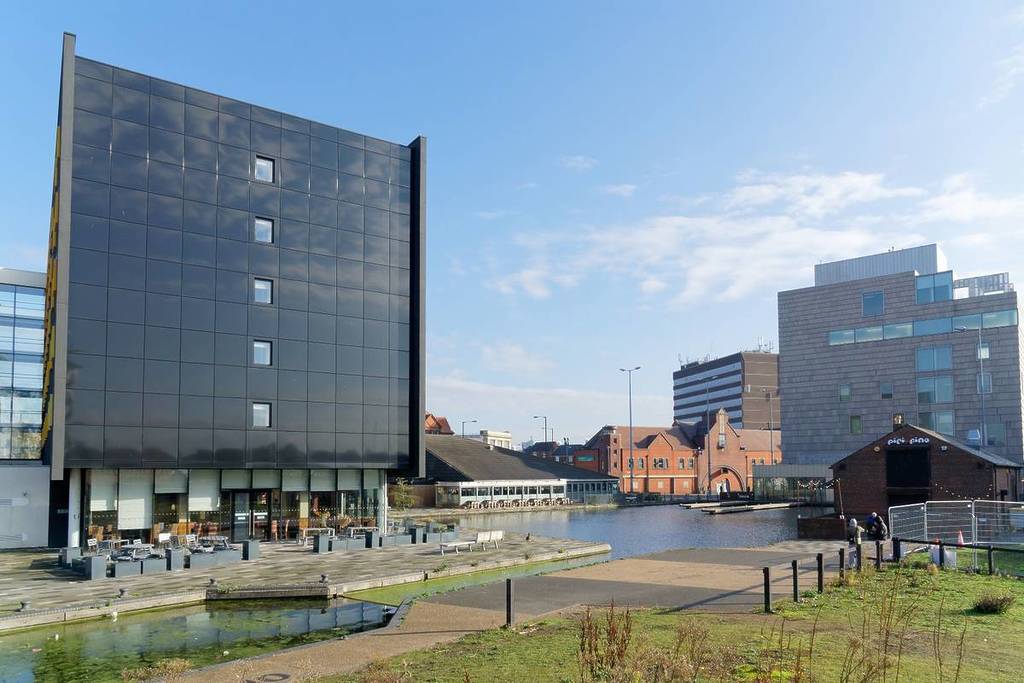
Life isn’t easy for anyone these days. The ongoing ‘cost of living crisis’ is hurting everybody (almost everybody, at least), but not everyone is being hurt equally. Where you live in the country could greatly affect a number of factors—from higher salaries to cheaper housing.
The Good Growth Index has examined local and regional economies across the UK to identify who is thriving and who is not. Going beyond traditional economic measures, like GDP or GVA, it has delved into what improves the “prosperity, opportunities and wellbeing” of real people.
“We measure public priorities by surveying over 2,000 working-age adults who rank 12 factors, such as income, jobs, housing and work-life balance in terms of relative importance for economic success. We then assess each city’s performance against these priorities, using public and third-party data at the local authority level.”
What does The Good Growth Index tell us?

Topping The Good Growth Index are York, Edinburgh and Bristol—scoring high on things like high streets, skills, and jobs. Unfortunately, things don’t look so good in the West Midlands, where Coventry is the highest ranked in the list at 26th. Coming dead last is Walsall, while Birmingham finishes two spots above it.
What is going on in Birmingham?
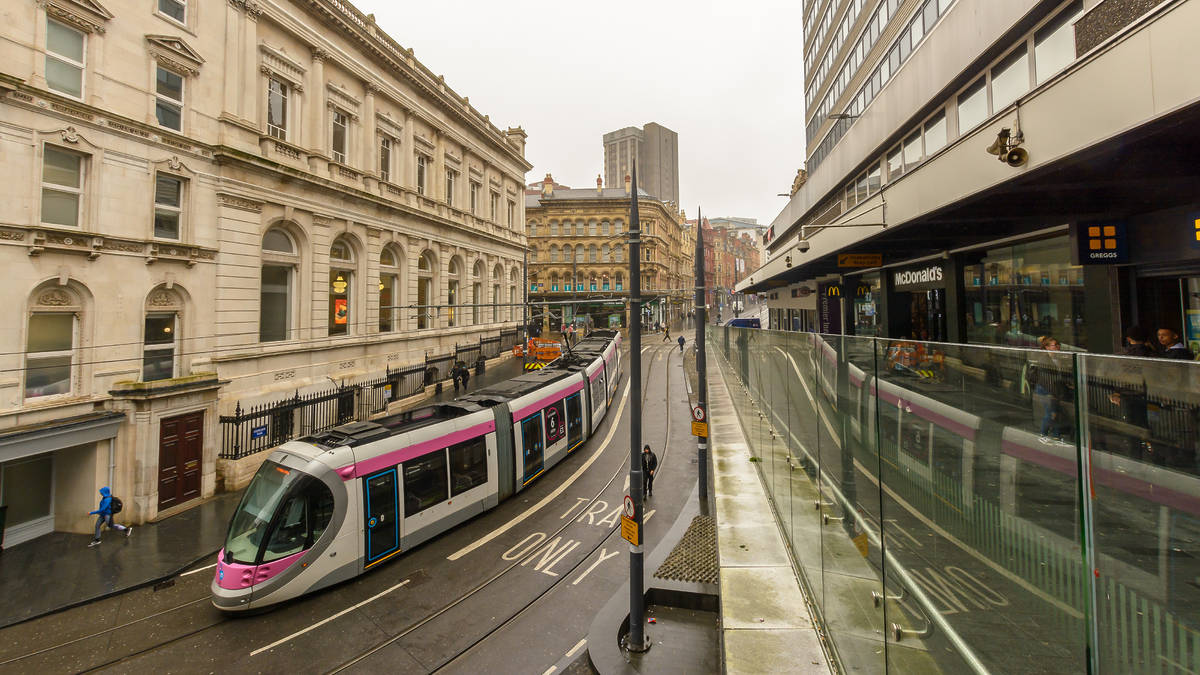
The report pays special attention to the Second City as “one of the youngest and most diverse populations in the UK and is gaining prominence in several key sectors.” However, it warns of “chronic deprivation” and that Birmingham must throw itself into “extensive regeneration, sector clustering, and skills development” to fix it.
Elsewhere, it adds: “The Knowledge Quarter 1, part of the West Midlands Investment Zone and one of three zones across the city, supports growth in health, technology and life sciences. Backed by the City Council, two universities and private partners, it is expected to create 20,000 jobs and form part of a Birmingham-London Innovation Corridor, using the new HS2 station to link opportunities between regions.
“Other zones target growth in technology, clean energy, advanced manufacturing, finance and business services, and the creative and cultural industries. Large-scale regeneration schemes aim to extend and connect these areas of growth. The Smithfield project 2, one of the largest city centre regeneration schemes in the UK, will transform a major brownfield site near Digbeth’s Creative Quarter. Plans include 3,000 new homes, retail and leisure space, and new public areas.”
To read more from The Good Growth Index, head here.