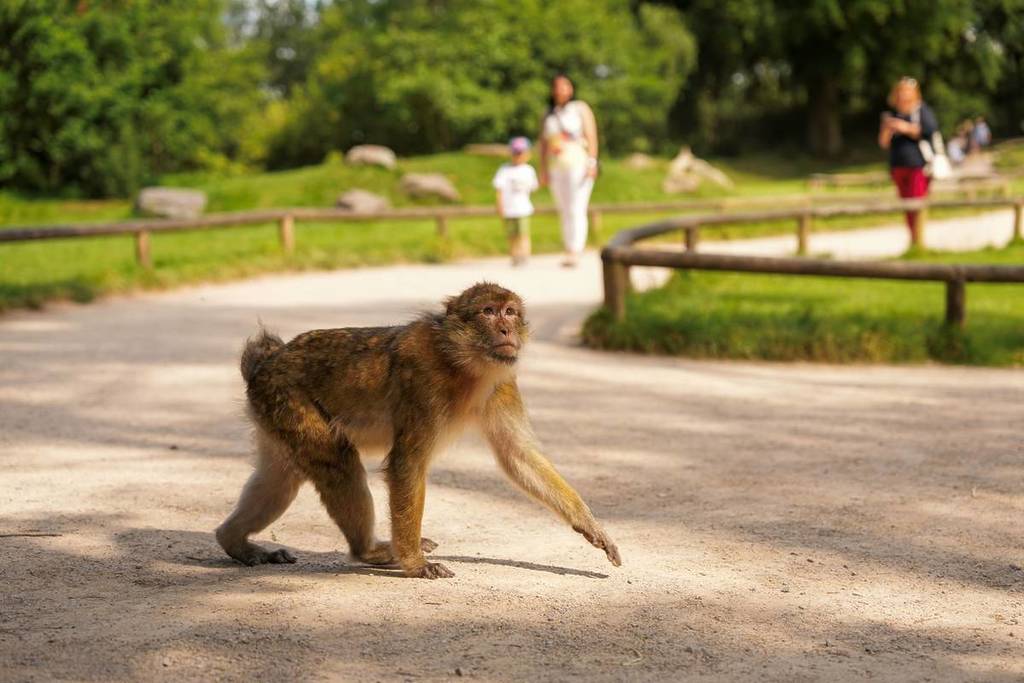

Just over a hundred Barbary macaques roam free at Trentham Monkey Forest (about an hour’s drive from Birmingham), while only 8,000 of these endangered animals currently survive in the wild. But in a world-first scientific milestone, scientists have unlocked a major weapon in the fight against their extinction.
What’s happened?
Researchers from Liverpool John Moores University, the Institute Scientifique de Rabat and the Atlas Golden Wolf Project have successfully sequenced the entire genome of the endangered Barbary macaque, from a monkey at Trentham Monkey Forest (who is better know to the locals as ‘Crinkle’).

The groundbreaking DNA map of Crinkle—the first of her species to have her complete genetic code decoded—means scientists can now more easily track Barbary macaque populations, understand their genetic health, and identify where trafficked animals were stolen from.
Having previously conducted a nationwide DNA sample across Morocco, authorities can now pinpoint exactly where an animal came from and help return trafficked Barbary macaques from the illegal pet trade to the wild. Already, researchers have traced Crinkle’s roots back to wild populations near Ifrane National Park and Khenifra National Park.
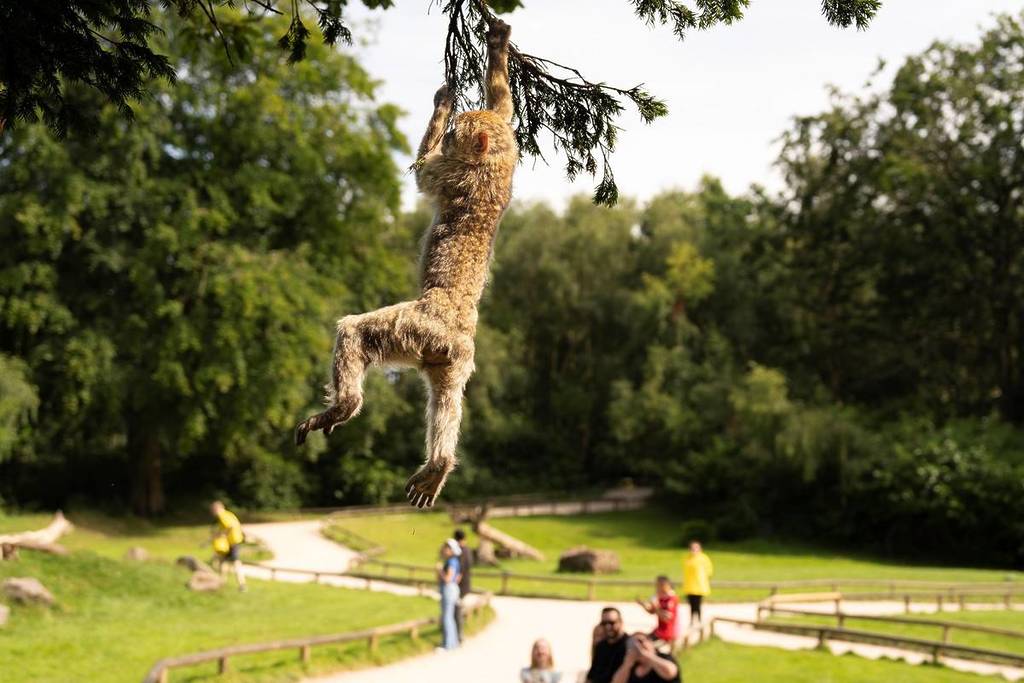
“We’re incredibly proud that a Barbary macaque from Trentham Monkey Forest is at the heart of such a groundbreaking scientific achievement,” said Monkey Forest Park Director Matt Lovatt. “Crinkle represents not just our forest, but a species facing real threats in the wild. Knowing that her DNA could help protect Barbary macaques from poaching and illegal trade is something truly special.
“What’s particularly exciting is that this research connects the monkeys here in the UK directly back to their wild origins in North Africa. It really highlights how important international collaboration is – what happens in places like Ifrane National Park doesn’t stay there, it’s part of a much bigger global conservation story.”
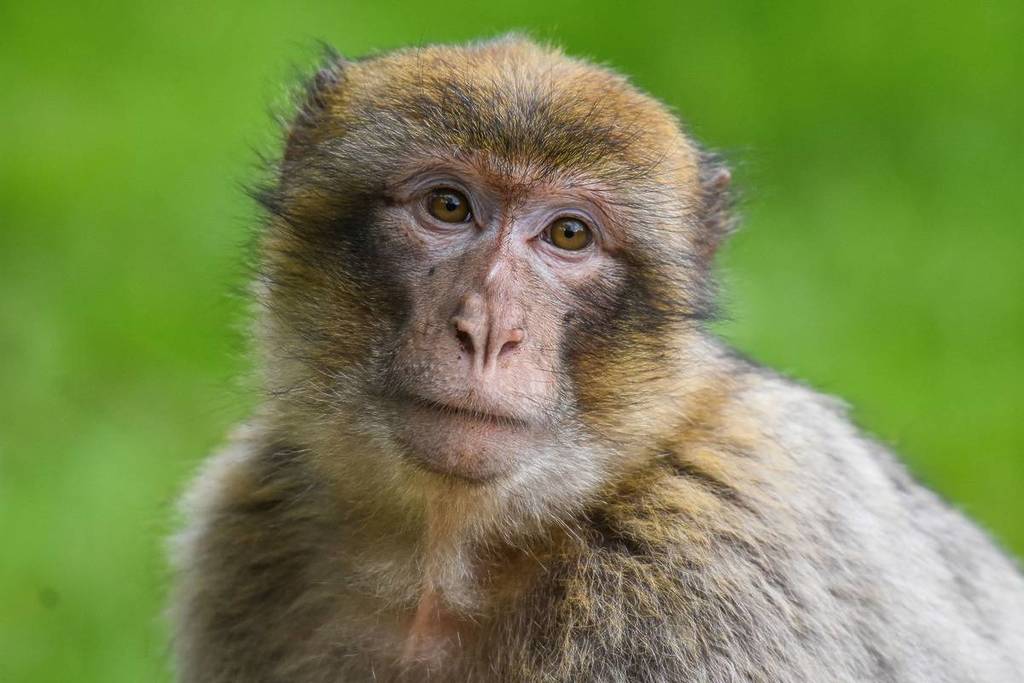
Trentham Monkey Forest is home to 140 Barbary macaques that roam over 60 acres of ancient woodland. It’s also the only place in the UK where you can walk freely with this species, while you can also take part in an extra special ‘Morning with Monkeys’ that lets you enter the monkey enclosure before opening hours and help feed them their nutritious breakfast.