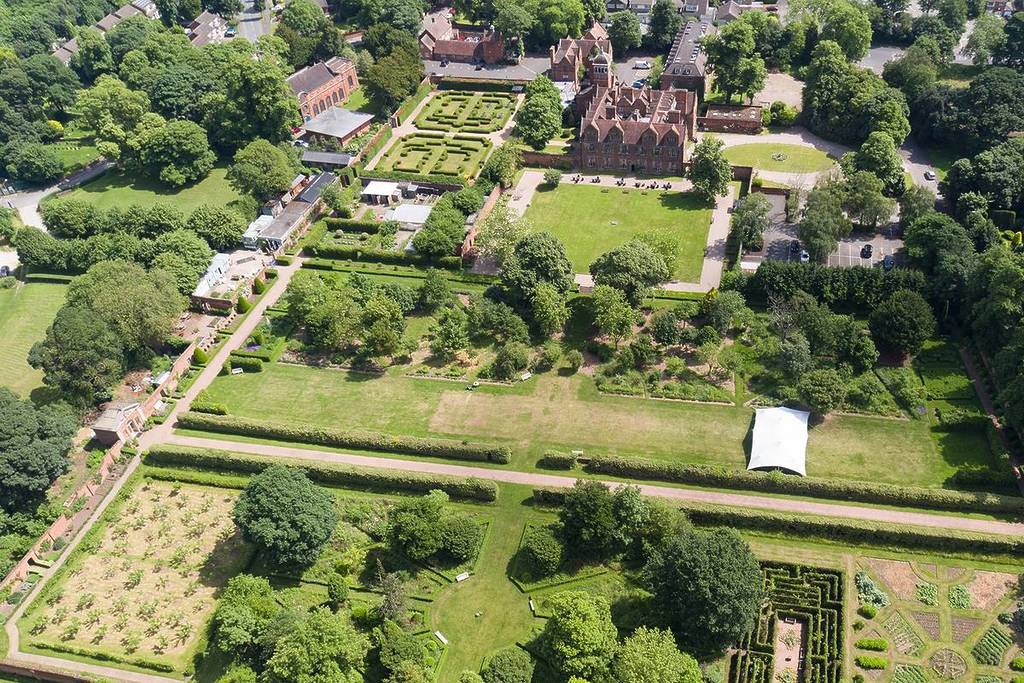
Castle Bromwich Hall Gardens may date back to the Elizabethan era, but they wouldn’t reach their beautiful peak until over a century later. For generations, the Grade II* listed, formal gardens were maintained and developed, reaching up to 10 acres, before sadly falling into decline in the early 20th century.
It wasn’t until a planning application decades later, for housing on the plot, that the importance of the gardens was unearthed once more. The housing proposal was refused, and restoration of Castle Bromwich Hall Gardens began to undo years and years of overgrowth and damage.
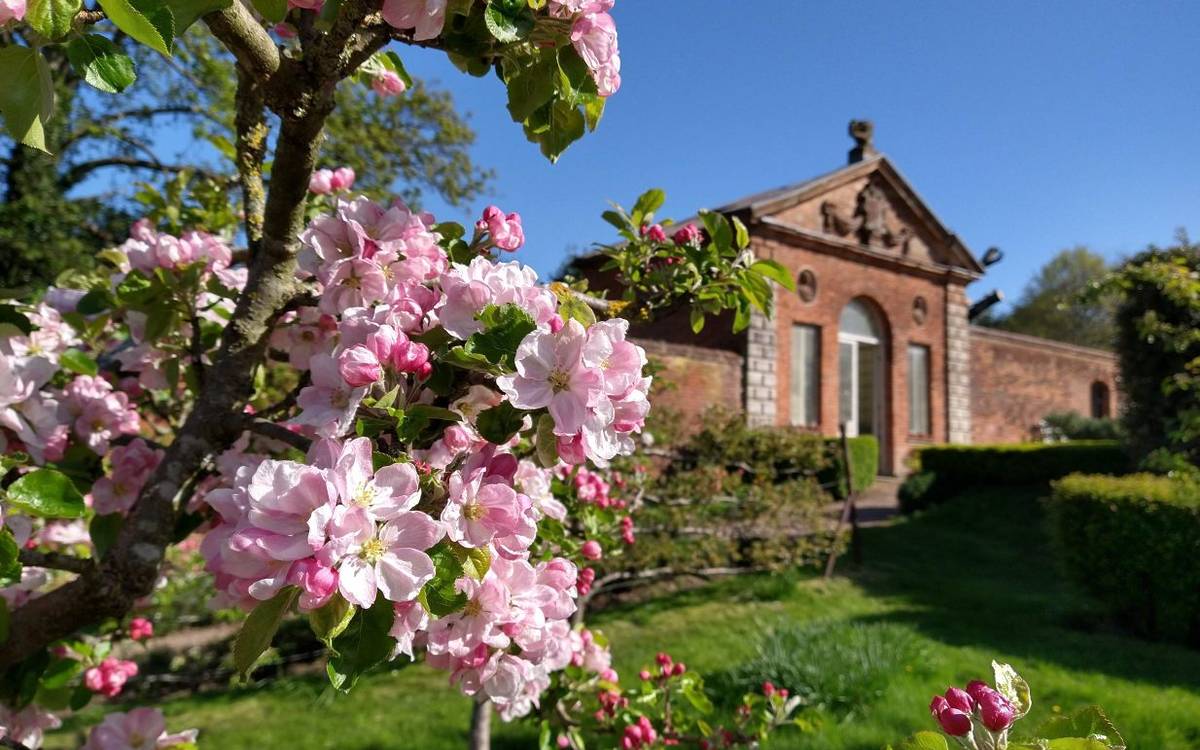
Today, they mirror a time when they were considered at their best, the period 1680 to 1760, home to over 600 species of plants and fruit from that time, and are the only remaining example in the country of a formal English garden design. This is as close to the Baroque countryside you will find on the edge of a modern city like Birmingham.
Located in Castle Bromwich, adjacent to a Jacobean mansion, Castle Bromwich Hall (which is now a hotel and separate from the gardens), a further 30 acres of the former estate’s historic parkland encircle the formal garden—with the Local Nature Reserve officially recognised as one of the country’s best parks, with a Green Flag Award.
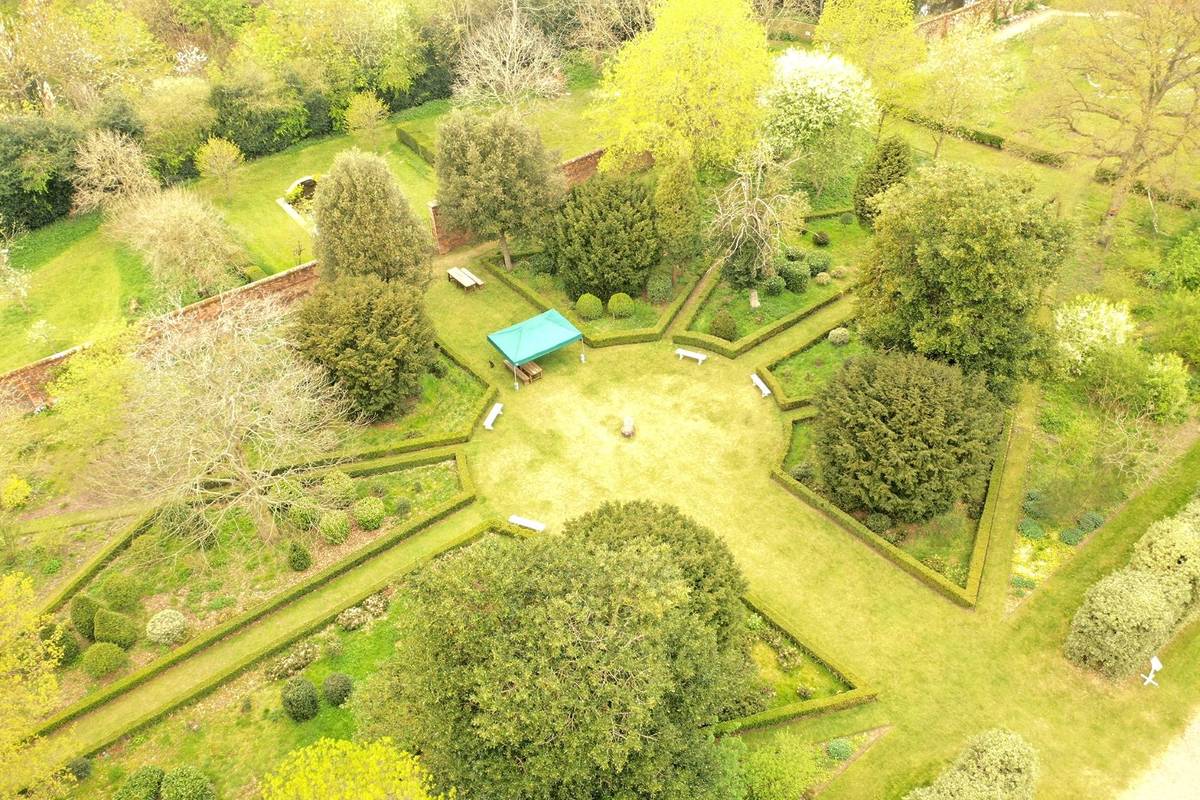
But it’s the Gardens that are most impressive. With winter behind us, Castle Bromwich Hall Gardens have reopened for the year, where you can now enjoy nature-based activities for children, outdoor music and theatre, and a picnic full of homemade cakes and locally-made snacks from the Courtyard Cafe.
Throughout the year, check out an array of seasonal events, from heritage tours to falconry experiences, Pancake Day to a wassail. With 10 acres of a stunning, 350-year-old, early 18th-century formal gardens to discover, with formal walks, orchards, a vegetable garden and even wildlife areas, you’ll keep coming back to see all its beauty.
To learn more about Castle Bromwich Hall Gardens, head here.