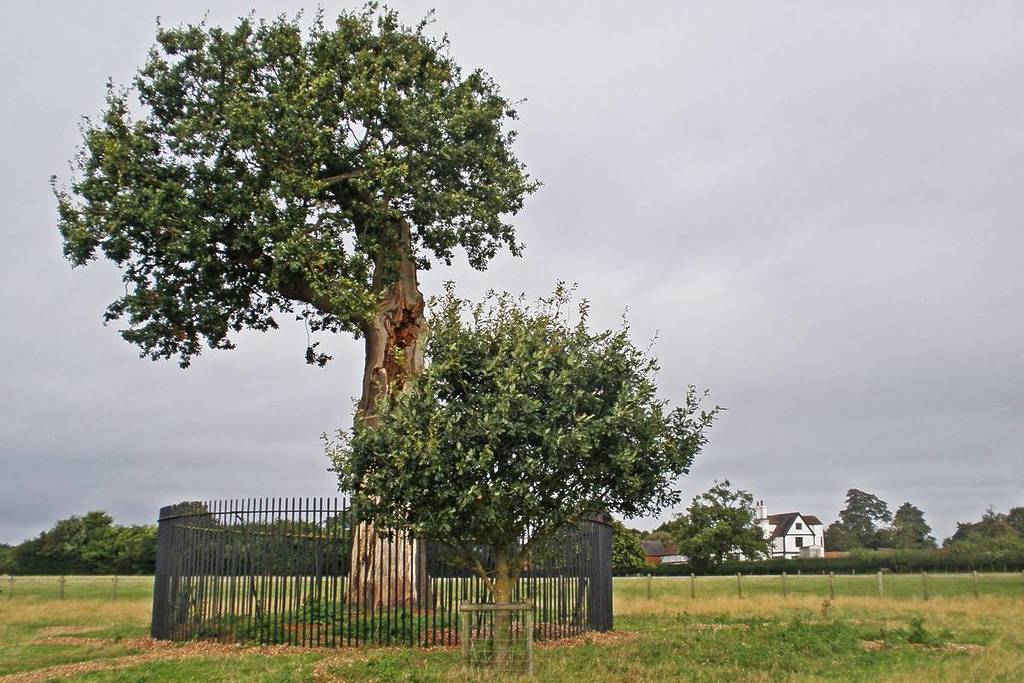
After his final defeat against Oliver Cromwell in the English Civil War, the future King Charles II of England (I know, it’s confusing) spent six weeks trying to flee the country. His evasion of the enemy, which now forms the Monarch Way, took him to Wales, Bristol and, eventually, Charmouth in Dorset. But, most famously, hiding inside an old oak tree.
The story goes, following the Battle of Worcester, the young Charles fled for his life. He sought refuge at the nearby Boscobel House, but, learning it was unsafe, spent the next 14 hours hiding in the Royal Oak. And Royal Oak Day (May 29) is still observed annually by many to mark the restoration of the monarchy in 1660.
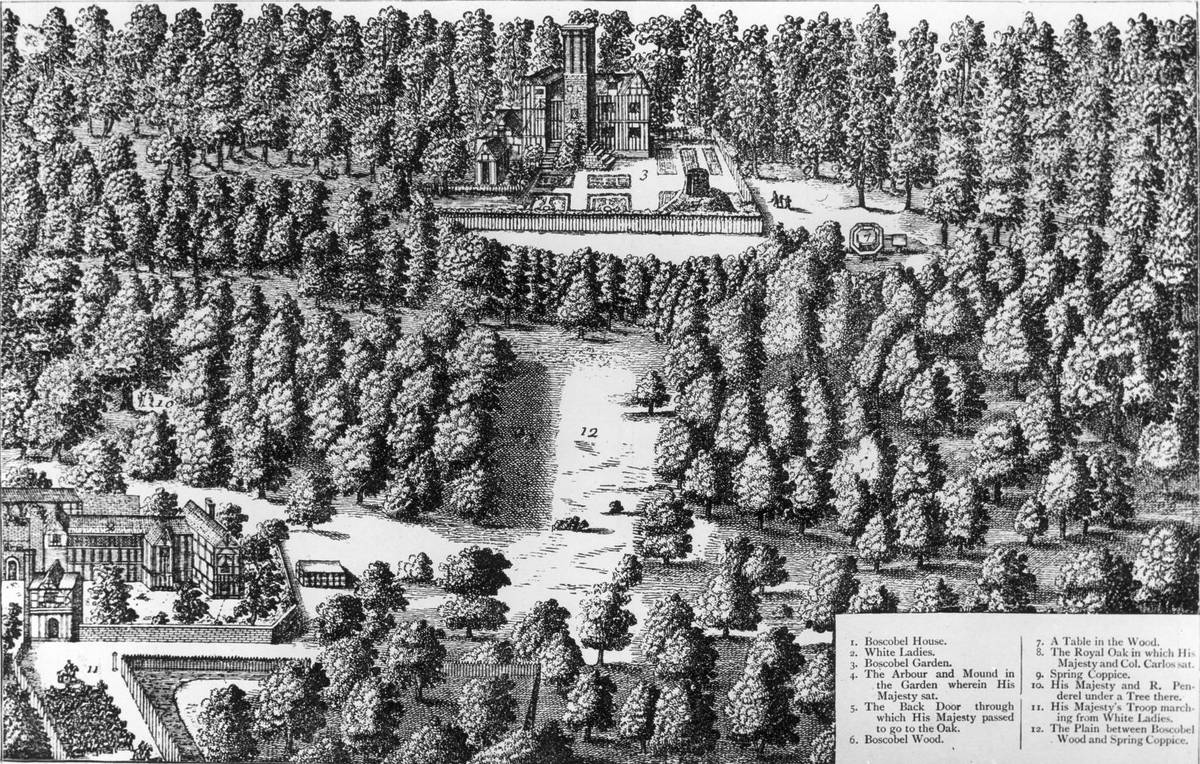
The original Royal Oak is long gone, but the pasture where it grew has since been propagated by its descendants. The tallest oak you can see is believed to be the oldest, roughly two hundred years old. Beside it grows another, much younger oak, planted by another future King Charles in 2001 to mark the 350th anniversary.
What is there to see at Boscobel House today?
On top of these ancient oaks, Boscobel House offers lots in its own right. The Grade II* listed, timber-framed farmhouse offers an interactive tour of its unique history—as a former hunting lodge, shelter for persecuted Catholics, and a 19th-century small ‘planned farm’. You can still experience life on a busy Victorian farm and meet the resident sheep and pigs.
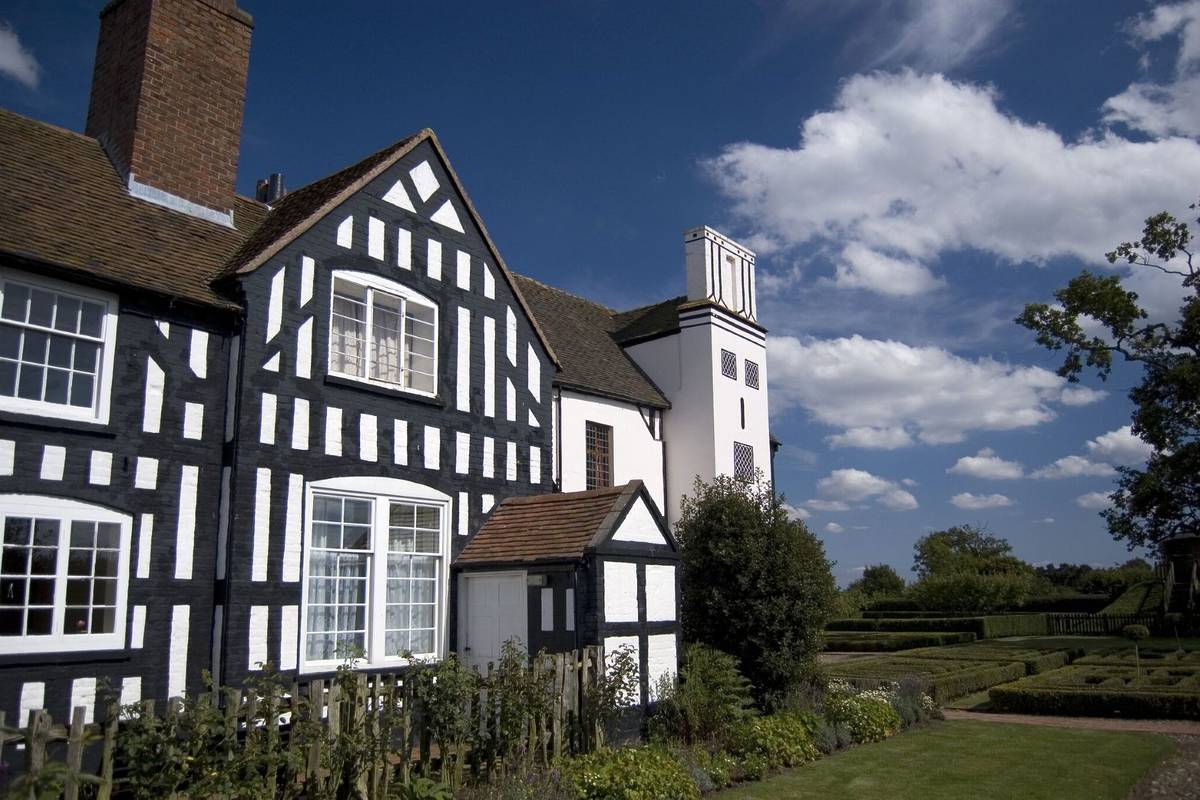
Make sure to visit the 17th-century-style garden, too, complete with characteristic box hedging and plants such as peonies and artemisias—Charles II is even said to have spent a few hours reading here. Just a 20-minute walk from Boscobel, the fascinating ruins of White Ladies Priory and its spectacular views are another must-see.
If all that wasn’t enough, Boscobel House boasts a tearoom in the former stables, gift shop in the visitor centre, and a children’s play area—with a climbing frame, slide and swing, grass maze and 28 metre-long willow tunnel next to the garden. You might also want to check out the Hockerhill Adventure Playbarn, a stone’s throw away, based on the Royal Oak tree itself.