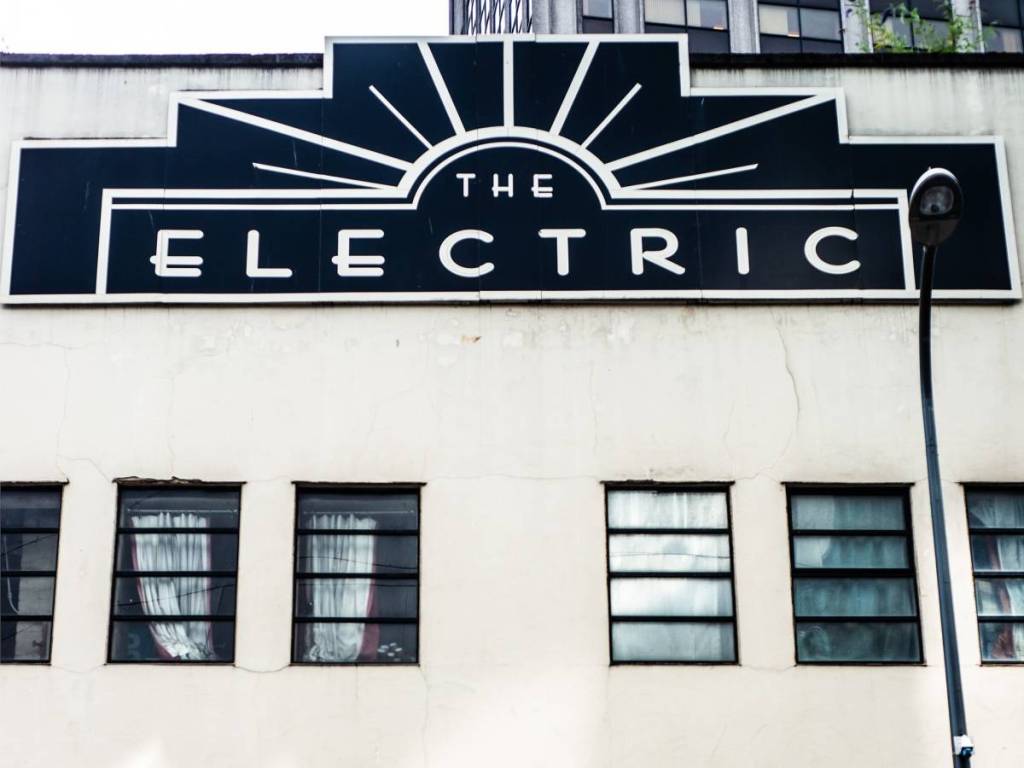

The UK’s once-oldest working cinema, The Electric, has faced years of uncertainty since it permanently closed in 2024. Unlike its neighbour, The Crown, the 117-year-old Art Deco was later denied listed status, with historic interest “primarily at the local rather than the national level.” But the future for The Electric might be brighter than expected.
It is just one of 5 iconic city sites added to Birmingham’s ‘Local Heritage List’. Birmingham City Council’s Planning Committee met today (Thursday, August 13, 2026) and agreed that five historic city sites—including The Electric cinema—will be added to the city’s own established listing scheme, which has more than 440 entries.
Councillor Deborah Harries, Cabinet Member for Culture, said: “It’s great to see such a variety of sites being added to Birmingham’s Local Heritage List, which reflect the city’s architectural, cultural, social and industrial history.
“I’m especially pleased to see The Electric cinema being added to that list as, until it closed in 2024, it was the oldest working cinema in the UK, so played a vital role in our city’s cultural heritage. Today’s decision further underlines the council’s commitment to recognising the significance of our city’s heritage.”
The sites added to Birmingham’s ‘Local Heritage List’:
Cherry Reds, John Bright Street
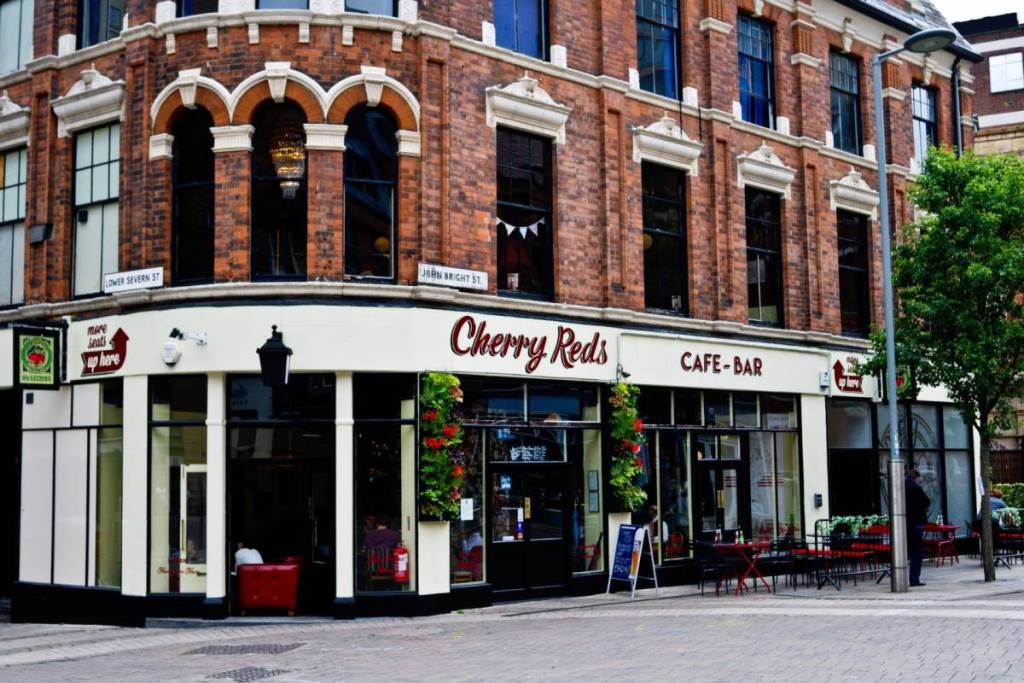
This quirky, independent café-bar has helped revitalise John Bright Street—serving all-day breakfasts, craft beers, and plenty of vegetarian/vegan options.
The Electric, Station Street
The Electric Cinema opened in 1909 and was the UK’s oldest working cinema until it sadly closed in 2024.
The Gazette Buildings, Corporation Street
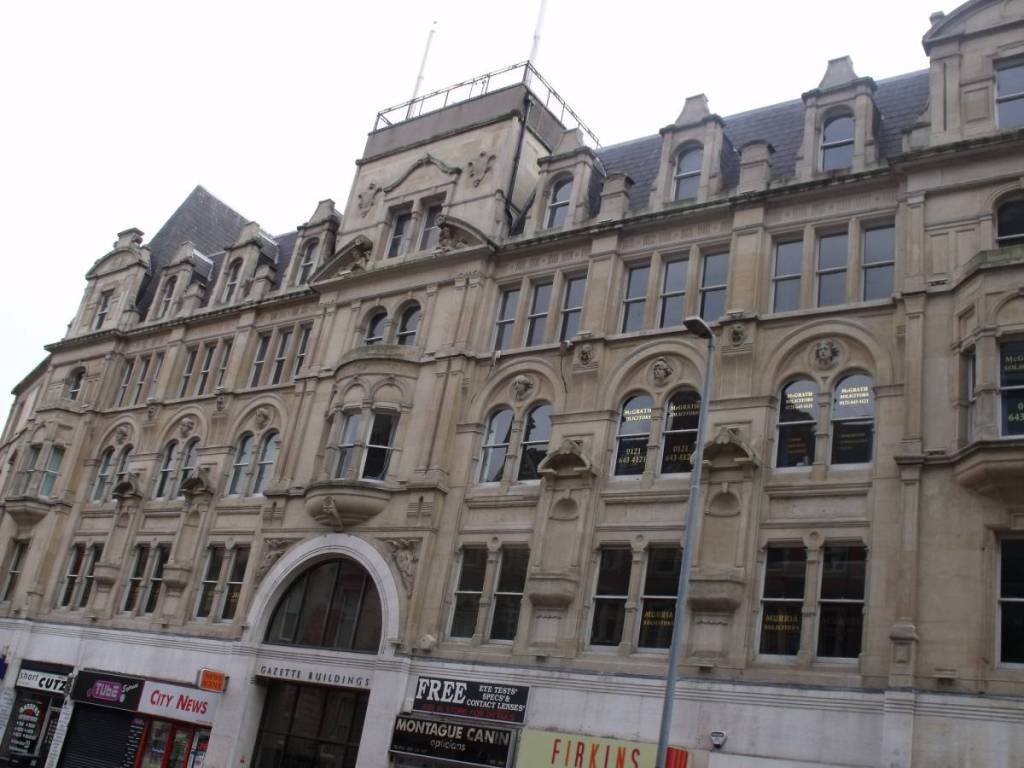
Initially built in 1886 as lawyers’ chambers, the Victorian-era Gazette Buildings are more famously associated with the Birmingham Gazette newspaper, before it was absorbed by the Birmingham Post in 1956.
Yardley Ridge and Furrow Earthworks, Old Yardley Park
The earthworks represent the surviving remains of a medieval openfield agricultural system that supported the historic manor and settlement of Yardley, and represent one of Birmingham’s most significant surviving medieval landscape features.
The Old Windmill Pub, Dudley Road
Originally a farmhouse in the mid-to-late 18th century, The Old Windmill was converted into a pub in the 19th century—taking its name from a nearby windmill. The last surviving Victorian pub on the once ‘golden mile’ shut in 2021.
What protections does Birmingham’s Local Heritage List provide?
Birmingham’s Local Heritage List recognises buildings and places of particular importance to the city’s history, character and identity that do not meet the national scheme’s criteria.
Inclusion does not provide the same statutory protection as the National Heritage List for England (which is run by the Department of Culture, Media and Sport, with advice from Historic England).
It does not prevent alteration, redevelopment or demolition, but it means an asset’s heritage significance becomes a material consideration in planning decisions affecting the site.
Nominations for new sites to the Local Heritage List can be made here.