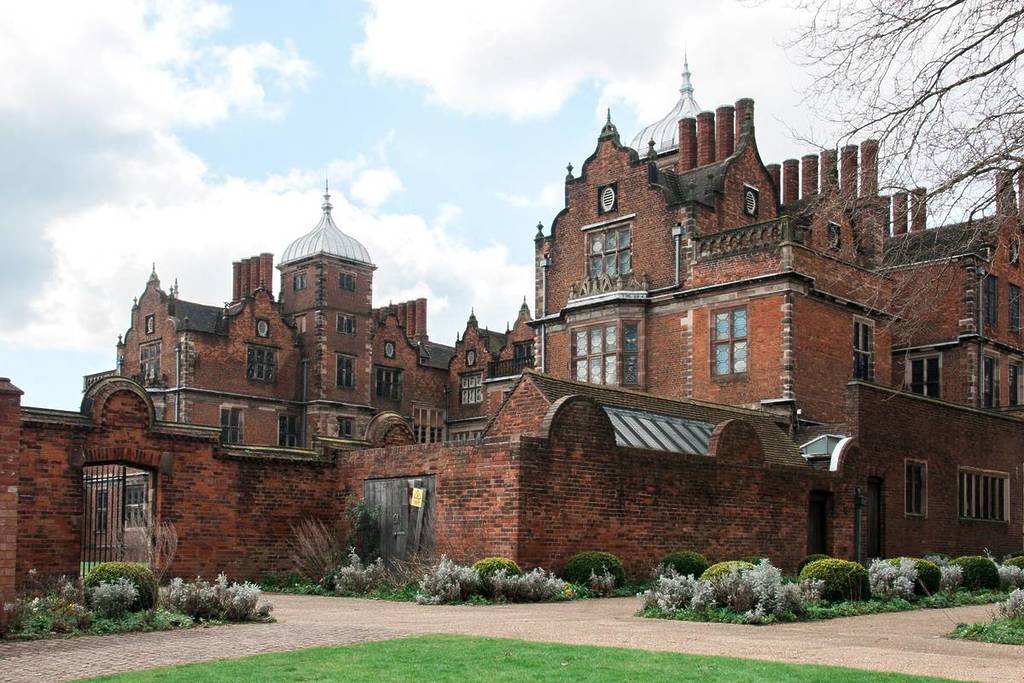

Aston Hall. The Grade I-listed Jacobean house—one of the last to be built in this style—has to be one of Birmingham’s most iconic sites (maybe even more so than its historic neighbour, Villa Park). Having stood for around 400 years, it has seen so much history pass, and is said to be one of the UK’s most haunted buildings.
Since it was built in the early 17th century, Aston Hall has survived a Parliamentary attack during the English Civil War, welcomed royalty like King Charles I and Queen Victoria, and become the home of James Watt Jr. (son of the inventor of the Watt steam engine, a catalyst for the Industrial Revolution).
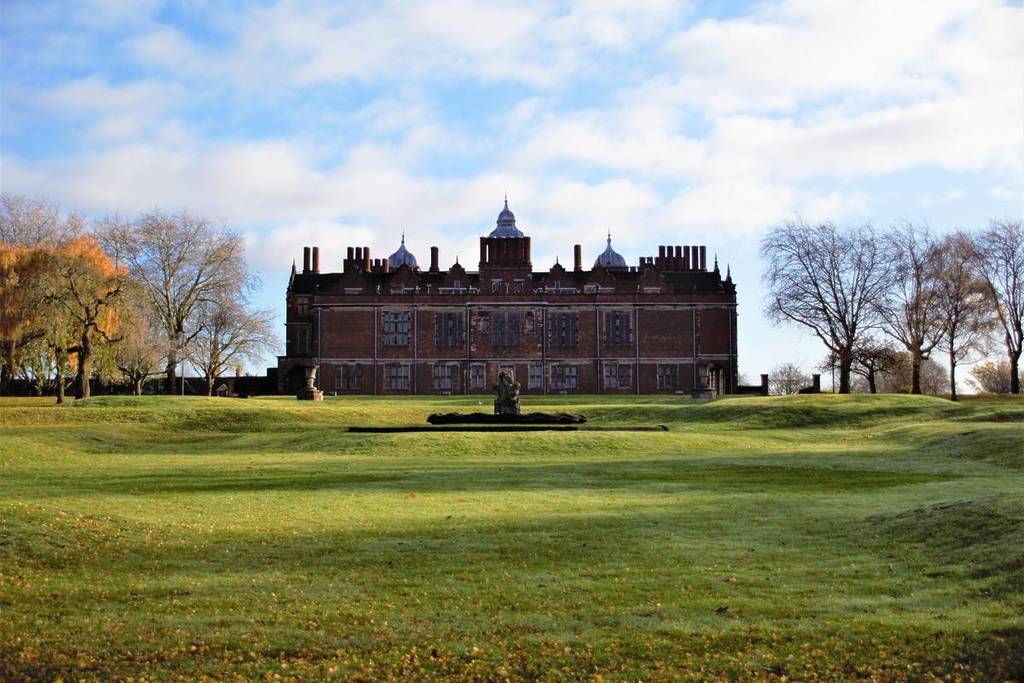
But none of that is quite as interesting as its breathtaking architecture—with its striking red brickwork facade and finely detailed, decorative interiors. Highlights of the house include the Great Oak Staircase, which still displays splinter marks from a cannonball strike, and the exceptionally long Long Gallery.
See it for yourself…
Since 2009, Aston Hall has been open to the public as a community museum. Inside, there are over 30 rooms to explore, including everything from King Charles’ Chamber to the Butler’s Pantry and Servants Hall. Keep your eyes up at the exquisite ceiling plasterwork as you explore, for sights of elephants, orange trees and devils!
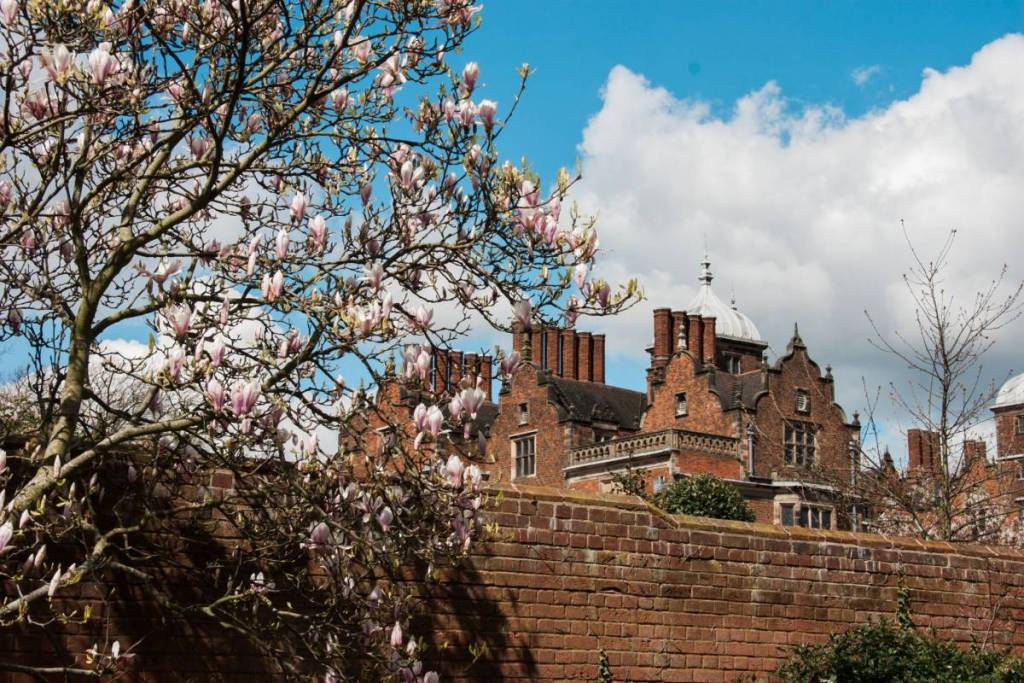
You will also find exhibits on the English Civil War, Black people during the 18th century, and of course, Aston Hall’s many, many ghost sightings—including Dick, a young houseboy accused of stealing, the ‘grey-ghost’ of Sir Thomas Holte’s daughter (locked away for 16 years) and the lady in green, often seen wandering the hallways.
Admission to Aston Hall costs £10 per adult and £5 per child, but if you’re on a tight budget, you can still visit the beautiful gardens at Aston Hall for free during opening hours. Lady Holte’s Garden (found on the south side of the house) was purpose-built to impress visitors with its symmetrical borders, and still does!